Cheap insurance often gets a bad rap, but understanding what it truly entails can open doors to affordable coverage that suits your needs. Whether you’re a first-time buyer or looking to switch providers, it’s essential to navigate the world of low-cost policies with a keen eye for detail.
In this discussion, we’ll demystify cheap insurance by exploring its various forms, highlighting common misconceptions, and identifying the factors that influence premium costs. From basic auto and home insurance to specialized policies, you’ll discover how to make informed decisions that balance value and affordability.




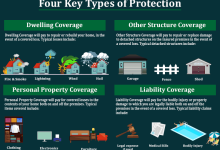

Understanding Cheap Insurance
In today’s world, finding affordable insurance options can seem daunting. Cheap insurance, while appealing, requires careful consideration to ensure that it meets your coverage needs without breaking the bank. Understanding what makes up cheap insurance can help you make informed decisions to protect your assets and well-being.Cheap insurance varies across different contexts, but it generally refers to policies that offer lower premiums in exchange for potentially less comprehensive coverage.
In auto insurance, for example, a basic liability policy may be considered cheap compared to a full coverage plan that includes collision and comprehensive options. Similarly, in health insurance, high-deductible plans with lower monthly premiums can be classified as cheap but may come with higher out-of-pocket costs when seeking care.
Common Misconceptions About Cheap Insurance
Navigating the world of cheap insurance comes with several misconceptions that can influence consumer decisions. One of the most prevalent beliefs is that cheaper premiums equate to lower quality coverage. While it is true that some low-cost policies might offer limited protection, many affordable options provide substantial coverage when tailored to individual needs. Another misconception is that cheap insurance means a lack of service or support.
In reality, many reputable insurers offer competitive rates while still maintaining high levels of customer service. Consumers should prioritize understanding the details of their policies rather than solely focusing on price.It is also important to recognize that cheap insurance does not mean no claims. Many believe that opting for a less expensive plan will result in complications when filing claims.
However, if the policy is from a reputable insurer, the process should remain streamlined and effective, regardless of the premium amount.
Factors Contributing to Insurance Premiums
Understanding the various factors that contribute to insurance premiums is essential for anyone considering cheap insurance. Insurance providers use a range of criteria to determine premium costs, which can include the following:
- Risk Assessment: Insurers evaluate the risk associated with insuring an individual or property. Higher risk typically leads to higher premiums.
- Coverage Amount: The level of coverage selected directly impacts premium costs; higher coverage limits usually result in increased premiums.
- Deductibles: Policies with higher deductibles tend to have lower premiums, as the policyholder assumes more risk in the event of a claim.
- Claims History: A history of frequent claims can lead to higher premiums, as insurers view the individual as a higher risk.
- Credit Score: Many insurers consider credit scores when determining premiums, as studies indicate a correlation between creditworthiness and the likelihood of filing claims.
Understanding these factors can empower consumers to make informed choices, balancing the need for affordable premiums with sufficient coverage.
“Cheap insurance is not merely a reflection of lower premiums; it’s about finding the right balance of cost and coverage tailored to your unique needs.”
Types of Cheap Insurance Available
In today’s fast-paced world, finding affordable insurance options is crucial for many individuals and families. Cheap insurance products are designed to provide necessary coverage without breaking the bank. Understanding the different types available can help consumers make informed decisions that best suit their needs.Various cheap insurance products are accessible in the market, each designed to address specific coverage needs while remaining budget-friendly.
These policies often come with essential features that ensure adequate protection, even at lower prices. It’s important to delve into the common types of cheap insurance and the coverage options they typically provide.
Types of Cheap Insurance Products
When considering cheap insurance, it’s essential to recognize that several products exist, catering to different aspects of life and risk management. Here are some popular types of cheap insurance policies:
- Auto Insurance: This type of insurance covers damages to vehicles and liability for injuries or property damage caused in an accident. Basic liability coverage can be quite affordable, especially for older cars.
- Health Insurance: Low-cost health plans, such as high-deductible health plans (HDHPs), offer a way to cover essential medical expenses while keeping premiums manageable.
- Homeowners or Renters Insurance: These policies protect personal property from risks like theft or fires. There are basic plans available that provide minimum coverage at lower rates.
- Life Insurance: Term life insurance is often the most economical option, allowing individuals to secure coverage for a specified term without hefty premiums.
- Travel Insurance: Affordable travel insurance policies can cover trip cancellations, medical emergencies abroad, and lost luggage, ensuring peace of mind for budget travelers.
The coverage options in these cheap insurance policies can vary significantly. However, they often include:
- Basic Liability Coverage: Protects against claims resulting from injuries and damage to other people or property.
- Property Damage Coverage: Offers financial protection for damage to personal assets, such as vehicles or home contents.
- Emergency Assistance: Many travel insurance policies include provisions for emergency medical care or evacuation.
- Accidental Death Benefits: Often included in life insurance policies, this feature provides a payout in the event of accidental death.
Cheap insurance may be suitable in various situations, highlighting its importance to everyday life. For instance, young drivers may benefit from affordable auto insurance as they build their driving experience without high costs. Similarly, renters may opt for low-cost renters insurance to protect their belongings against theft, especially in high-crime areas. Individuals on a tight budget may find high-deductible health plans to be a practical solution for managing health expenses while benefiting from essential coverage.In summary, the availability of various cheap insurance options allows consumers to tailor their coverage according to their specific needs and financial capabilities.
By understanding the types and coverage provided, individuals can make well-informed choices to secure their peace of mind without overspending.
How to Find Cheap Insurance
Finding affordable insurance can be a daunting task, but with the right strategies, it can be a straightforward process. Understanding the landscape of insurance options and utilizing the available resources allows consumers to make informed choices that save money while ensuring adequate coverage. By being proactive and diligent, individuals can uncover opportunities for savings without compromising on quality.
Strategies for Comparing Insurance Quotes
When searching for cheap insurance, comparing quotes is essential to determine the best fit for your needs. Effective comparison involves several key strategies that can lead to significant savings.
- Gather Multiple Quotes: Always obtain quotes from at least three different insurance providers to understand the market range.
- Use Comparison Websites: Leverage online platforms that aggregate quotes from various insurers, allowing for a side-by-side comparison in one place.
- Evaluate Coverage Options: Look beyond the price; ensure that the coverage provided meets your specific needs. Sometimes, a higher premium may offer significantly better protection.
- Consider Deductibles: Understand how different deductible amounts affect your premium. A higher deductible usually means a lower premium, but assess your ability to pay in the event of a claim.
The Importance of Shopping Around
Shopping around for insurance is crucial to finding the best rates and coverage options. Many people tend to settle with their current insurer, but exploring other options can reveal better deals.
- Annual Review: Make it a habit to review your insurance policies annually. Life changes such as moving or changing jobs can affect your premiums.
- Discount Opportunities: Different insurers offer various discounts—shopping around may help you discover discounts you’re currently missing out on.
- Loyalty Doesn’t Always Pay: Just because you’ve been with one insurance company for years doesn’t mean it’s the best option. New customers often receive better rates.
Leveraging Online Tools and Resources
The internet has transformed the way consumers shop for insurance, providing numerous tools and resources to help find affordable options. Utilizing these resources can streamline the process and enhance your chances of finding the best deals.
- Insurance Calculators: Use online calculators to estimate insurance needs and compare different policy costs based on your requirements.
- Review Websites: Check user reviews and ratings on various insurance companies to gauge customer satisfaction and service levels.
- Mobile Apps: Many insurance companies offer apps that allow you to manage your policies and get quotes quickly, making it easier to compare prices.
- Educational Resources: Take advantage of blogs, articles, and guides about insurance to become more informed about the types of coverage and what factors influence rates.
“Shopping for insurance is an investment in both your peace of mind and your budget; knowledge is the key to unlocking better rates.”
Pros and Cons of Cheap Insurance
Choosing cheap insurance can be a tempting option for many individuals looking to save money. However, while low-cost insurance policies may offer lower premiums, it’s essential to weigh their advantages against potential drawbacks. Understanding these factors can help consumers make informed decisions when selecting insurance coverage.
Advantages of Cheap Insurance Options
One of the primary benefits of opting for cheap insurance is the reduction in premium costs. This can be particularly appealing for budget-conscious consumers or those looking to save for other financial goals. The following points highlight the advantages of choosing cheaper insurance options:
- Lower Premiums: Cheap insurance typically comes with significantly lower monthly or annual payments, making it accessible for individuals with limited budgets.
- Essential Coverage: Even budget-friendly policies can provide the basic coverage needed to protect against significant financial losses, such as liability for accidents.
- Flexibility: Many cheap insurance policies offer customizable options, allowing consumers to tailor their coverage to fit their needs without breaking the bank.
- Quick Access: Online platforms for purchasing cheap insurance often provide a streamlined process for obtaining quotes and securing coverage, enhancing convenience.
Potential Drawbacks of Low-Cost Insurance Policies
While cheap insurance can be beneficial, it is crucial to recognize the limitations that may accompany these policies. Often, low-cost insurance can lack comprehensive coverage and benefits, leading to potential gaps in protection. Key drawbacks include:
- Limited Coverage: Cheap policies may not cover all incidents or damages, leaving policyholders vulnerable in certain situations.
- Higher Deductibles: Many low-cost insurance options come with higher deductibles, which can affect out-of-pocket expenses when a claim is made.
- Exclusions: Cheap insurance policies often contain numerous exclusions, limiting the scenarios in which coverage applies.
- Customer Service Risks: Lower-priced insurance providers may not offer the same level of customer support, leading to potential frustration during the claims process.
Comparison with Comprehensive Policies
When comparing cheap insurance with more comprehensive policies, it’s important to understand the differences in coverage and benefits. Comprehensive insurance typically provides broader protection, which can be advantageous in various scenarios. Here’s a closer look at how they compare:
- Coverage Scope: Comprehensive policies often include additional protections, such as coverage for natural disasters, theft, and other unexpected events, while cheap insurance may not.
- Claims Process: More comprehensive policies usually feature a more streamlined claims process, with dedicated support teams and quicker resolution times.
- Customer Satisfaction: Insurers offering comprehensive coverage may have higher customer satisfaction ratings due to better service and support.
- Peace of Mind: Having a comprehensive policy can provide peace of mind, knowing that you are more thoroughly protected against various risks.
Tips for Reducing Insurance Costs
Reducing insurance costs can significantly impact your overall budget. By implementing a few strategic changes, consumers can enjoy lower premiums while maintaining adequate coverage. Understanding the components that influence insurance rates allows you to make informed decisions that can save you money.
Adjusting Deductibles
One effective way to lower your insurance premiums is by adjusting your deductibles. A deductible is the amount you agree to pay out-of-pocket before your insurance kicks in. Generally, the higher your deductible, the lower your premium will be. This approach can be particularly beneficial if you have a good driving record or a healthy lifestyle, as it reduces the likelihood of filing frequent claims.
Higher deductibles lead to lower premiums, but ensure you can afford to pay the deductible in case of a claim.
Consider the following points when adjusting deductibles:
- If you’re in good health or have a safe driving record, a higher deductible might be a viable option.
- Evaluate your financial situation to ensure you can comfortably cover the deductible in case of an incident.
- Review your claims history; if you rarely file claims, opting for a higher deductible could be cost-effective.
Available Discounts
Insurance companies often provide various discounts that can help reduce your premiums. These discounts can apply to different types of insurance, including auto, home, and health insurance. It’s essential to inquire about all possible discounts to maximize your savings. Below are common types of discounts that may be available to you:
- Multi-Policy Discount: Bundling different insurance policies, such as auto and home, can lead to significant savings.
- Safe Driver Discount: A clean driving record can earn you a discount on your auto insurance.
- Good Student Discount: Students with good grades may qualify for discounts on their auto insurance.
- Home Security Discount: Installing security systems can reduce home insurance premiums.
- Loyalty Discount: Long-term customers may receive discounts for their continued business with the insurer.
It’s crucial to regularly review your insurance policy and consult with your agent about available discounts, as these can vary widely between insurers and may change over time.
Real-Life Examples of Cheap Insurance Success Stories
Many individuals and families have turned to inexpensive insurance options, discovering that they can meet their coverage needs without breaking the bank. These success stories highlight the effectiveness of affordable insurance policies and how they provided crucial support during challenging times. Learning from these experiences can help others make informed choices about their insurance needs.In real life, cheap insurance has often been a lifeline for families facing unexpected financial burdens.
Here are some compelling case studies that illustrate the benefits of opting for affordable insurance options, along with the lessons learned from these experiences.
Case Study: The Johnson Family
The Johnson family is a prime example of how affordable insurance can protect against unforeseen circumstances. After moving into their new home, they decided to purchase a basic homeowners insurance policy that was budget-friendly. Shortly afterward, a severe storm caused significant damage to their roof. Thanks to their inexpensive insurance, they were able to file a claim that covered most of the repair costs, saving them thousands of dollars.The key takeaway from the Johnsons’ experience is that even basic insurance can provide substantial protection.
They realized that it’s essential to evaluate coverage options based on individual needs rather than solely on price.
Case Study: Maria’s Car Insurance
Maria, a single mother of two, was initially hesitant about investing in car insurance due to her tight budget. After researching, she found a low-cost auto insurance policy that offered the minimum liability coverage required by law. When Maria was involved in a minor accident, her cheap insurance provided her with the necessary coverage for damages, allowing her to handle the situation without financial strain.This experience taught Maria the importance of having at least the minimum coverage, even when opting for cheaper options.
It reinforced the lesson that inexpensive insurance can still fulfill crucial legal and financial obligations.
Case Study: The Thompson’s Health Insurance Choice
The Thompsons were a young couple who struggled with rising healthcare costs. They opted for a high-deductible health insurance plan, which had lower monthly premiums. When Mrs. Thompson had an emergency surgery, they were initially concerned about the out-of-pocket expenses. However, they were pleasantly surprised to find that their plan covered a significant portion of the costs after they met their deductible.This scenario highlights the potential benefits of high-deductible plans as a form of cheap insurance.
The Thompsons learned that while the upfront costs may seem daunting, the overall financial burden can be managed effectively with the right plan.
Lessons Learned from Affordable Insurance Experiences
Reflecting on the above stories, several key lessons emerge regarding cheap insurance options:
- Evaluate Coverage Needs: Always assess personal circumstances to determine the appropriate level of coverage needed.
- Understand Policy Details: Familiarize yourself with the specific terms and conditions of cheap insurance to avoid surprises during claims.
- Balance Cost and Coverage: Look for policies that offer the best combination of affordability and necessary coverage rather than simply the lowest price.
- Consider User Reviews: Learning from others’ experiences can provide valuable insights into the reliability of different insurance providers.
Future Trends in Cheap Insurance
The insurance landscape is rapidly evolving, driven by technological advancements and shifting consumer behaviors. As affordable insurance options become increasingly accessible, understanding the future trends that will shape this market is essential. The intersection of innovation and affordability will pave the way for new products and pricing strategies that cater to a diverse range of customers.The impact of technology on the availability of affordable insurance is profound.
Insurtech companies are leveraging data analytics, artificial intelligence (AI), and machine learning to streamline operations and reduce costs. These technologies enable insurers to provide tailored solutions and lower premiums, making cheap insurance more widely available. Moreover, the use of mobile apps and online platforms simplifies the purchasing process, allowing consumers to compare policies effortlessly and select the best options for their needs.
Influence of Emerging Trends on Pricing
Several emerging trends are set to influence the pricing of cheap insurance in the foreseeable future. Understanding these trends provides insight into how the market may evolve.
Telematics and Usage-Based Insurance
Companies are increasingly utilizing telematics devices to monitor driving behavior, leading to personalized pricing models. Safer drivers can benefit from lower premiums, making insurance more affordable.
Blockchain Technology
Blockchain introduces transparency and security in policy management and claims processing. As a result, fraud is reduced, which can lead to lower costs for insurers and, subsequently, lower premiums for consumers.
On-Demand Insurance
The rise of on-demand insurance products allows consumers to purchase coverage only when needed, such as for travel or specific events. This flexibility can reduce overall spending on insurance.
Artificial Intelligence in Claims Processing
The automation of claims processing through AI can expedite the settlement process, decrease operational costs for insurers, and lead to cost savings passed on to consumers.
Health and Wellness Integration
Insurers are beginning to offer discounts for policyholders who engage in healthy behaviors. Programs that incentivize wellness can lead to lower insurance costs, particularly in life and health insurance sectors.
Changes in Consumer Behavior Affecting Insurance Options
Consumer behavior is shifting, driven by technological advancements and changing attitudes towards insurance. These changes are influencing the types of cheap insurance options available.
Increased Research and Comparison Shopping
Consumers are now more informed and empowered, utilizing online tools to compare prices and coverage options extensively. This trend has led insurers to be more competitive in pricing.
Demand for Customization
Today’s consumers seek personalized insurance products that cater to their unique lifestyles and preferences. Insurers that offer customizable policies are likely to attract more customers looking for affordable options.
Preference for Digital Engagement
There is a growing preference for digital communication and transactions. Customers expect seamless online experiences, prompting insurers to invest in robust digital platforms to meet these expectations.
Sustainability Awareness
With a rising focus on environmental issues, consumers are increasingly inclined to support companies that prioritize sustainability. Insurers that adopt eco-friendly practices may appeal to this demographic, potentially affecting pricing structures.
Health Consciousness
As consumers take a more proactive approach to health and wellness, insurance products that reward healthy lifestyles are becoming popular. This trend not only affects consumer choices but may also lead to more affordable premiums in the health insurance sector.

Hi, I’m Lauren. As a digital enthusiast and storyteller, I love breaking down complex ideas into easy-to-read articles. My goal is to provide readers with fresh perspectives and helpful solutions through every piece I write.