Homeowners insurance serves as a crucial safety net for property owners, protecting them from potential financial losses due to unforeseen events. This type of insurance not only covers various risks associated with owning a home but also provides peace of mind for homeowners, knowing their investment is safeguarded. With several options available, understanding the ins and outs of homeowners insurance can help you choose the best policy for your needs.
From the standard coverage options to additional protections like flood or earthquake insurance, navigating through the complexities of homeowners insurance is vital. Factors such as location, property characteristics, and even personal credit can affect premiums, making it essential to be well-informed and prepared.






Overview of Homeowners Insurance
Homeowners insurance is a vital financial product designed to protect homeowners from potential risks associated with owning a home. This insurance serves as a safety net, covering damages to the home and providing liability protection in case of accidents or injuries that occur on the property. Understanding homeowners insurance is essential for safeguarding one of life’s most significant investments.Homeowners insurance policies vary in coverage and can be tailored to meet individual needs.
Typically, there are several types of homeowners insurance policies, each catering to different situations and levels of coverage. The most common types include:
Types of Homeowners Insurance Policies
Understanding the various types of homeowners insurance available can help homeowners choose the most suitable policy for their needs. The different policy types include:
- HO-1: Basic Form
-This is a very basic policy that covers a limited number of perils such as fire, lightning, and theft, typically on a named-peril basis. - HO-2: Broad Form
-This policy provides broader coverage than HO-1, including more perils such as falling objects and water damage from plumbing issues. - HO-3: Special Form
-The most common homeowners policy, HO-3 covers all perils unless explicitly excluded, providing comprehensive coverage for both property and liability. - HO-4: Renters Insurance
-Designed for tenants, this policy safeguards personal belongings and offers liability protection, but does not cover the physical structure. - HO-5: Comprehensive Form
-This policy offers the highest level of protection, covering personal property on an open-perils basis and typically includes higher coverage limits. - HO-6: Condo Insurance
-Specifically for condominium owners, this policy covers personal property and any upgrades made to the unit, along with liability protection. - HO-7: Mobile Home Insurance
-Tailored for mobile or manufactured homes, this policy protects against similar risks as standard homeowners insurance. - HO-8: Older Home Insurance
-This policy is designed for older homes that may not meet standard replacement cost values, offering coverage based on the actual cash value.
The importance of homeowners insurance cannot be overstated. It provides crucial protection for homeowners, not only safeguarding the physical structure and personal belongings but also offering peace of mind in times of distress.
Homeowners insurance is an essential safeguard against financial loss due to unforeseen events.
Coverage typically includes protection against fire, theft, vandalism, and certain natural disasters, along with liability coverage for accidents that may occur on the property. Without homeowners insurance, homeowners risk facing significant out-of-pocket expenses in the event of damage or loss, which could lead to financial hardship. Moreover, many mortgage lenders require homeowners to carry insurance as a condition of the loan.
This requirement underscores the significance of having a policy in place to protect both the homeowner and the lender’s investment. In summary, homeowners insurance plays a critical role in the financial security of homeowners, providing essential coverage against various risks while fostering peace of mind through protection of one’s significant investment.
Coverage Options
Homeowners insurance provides a range of coverage options designed to protect your home and belongings from various risks. Understanding these coverage options is crucial for homeowners to ensure adequate protection against potential losses. Below, we explore the standard coverage included in homeowners insurance, as well as additional options that address specific risks.
Standard Coverage Options
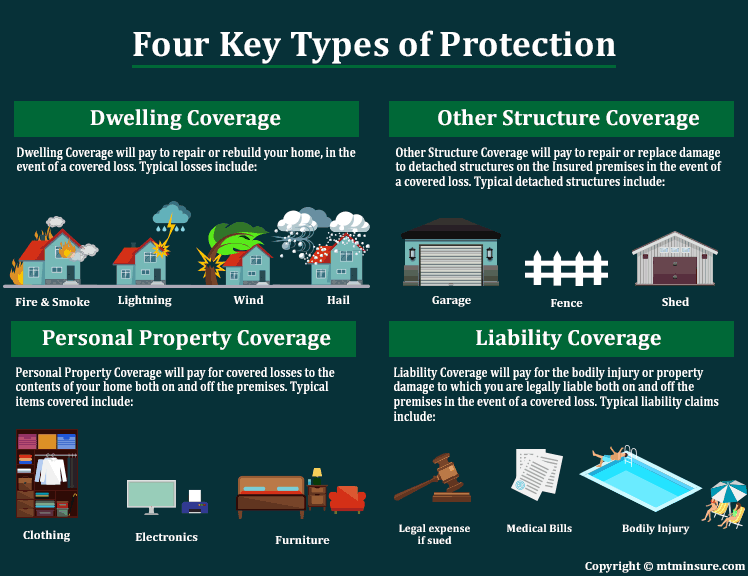
Homeowners insurance typically includes several standard coverage options that protect both the dwelling and personal property. Familiarizing yourself with these categories helps in selecting the right policy.
- Dwelling Coverage: This covers the physical structure of your home, including walls, roof, and built-in appliances. Typical coverage limits average around 80% of the home’s replacement cost.
- Personal Property Coverage: This protects personal belongings like furniture, electronics, and clothing from perils such as theft or fire. Often, coverage limits are set at about 50% to 70% of the dwelling’s coverage.
- Liability Coverage: This offers protection against legal claims for injury or damage caused to others. Standard liability limits start at $100,000, but many homeowners opt for higher limits to enhance their protection.
- Additional Living Expenses (ALE): This covers costs incurred if you temporarily relocate due to a covered loss that makes your home uninhabitable, such as hotel bills or meal costs.
Additional Coverage Options
Certain risks, such as flooding and earthquakes, are not typically covered by standard homeowners insurance. Homeowners may need to purchase additional policies or endorsements to ensure comprehensive protection.
- Flood Insurance: Offered through the National Flood Insurance Program (NFIP), this coverage is essential if you live in a flood-prone area. The average flood insurance policy costs about $700 per year, with coverage limits reaching $250,000 for the structure and $100,000 for personal property.
- Earthquake Insurance: This is crucial for homeowners in seismic zones. A standalone earthquake policy can provide coverage for structural damage and personal property. Deductibles often range from 10% to 20% of the policy limit, which may lead to significant out-of-pocket costs in the event of a claim.
Coverage Limits and Deductibles
Understanding the specifics of coverage limits and deductibles is essential for homeowners to prepare financially for potential claims.
“Higher deductibles typically lead to lower premiums, but they also mean more out-of-pocket expenses in the event of a loss.”
Example coverage limits and deductibles commonly found in homeowners insurance policies include:
| Type of Coverage | Typical Coverage Limit | Typical Deductible |
|---|---|---|
| Dwelling Coverage | $250,000 – $500,000 | $1,000 – $2,500 |
| Personal Property Coverage | $125,000 – $250,000 | $1,000 – $2,500 |
| Liability Coverage | $100,000 – $300,000 | N/A |
Factors Affecting Premiums
Homeowners insurance premiums can vary significantly based on a variety of factors. Understanding these elements is crucial for homeowners looking to manage their insurance costs effectively. From the geographical location of the property to personal financial metrics, several aspects intertwine to determine how much one pays for coverage.Location and property characteristics play a vital role in shaping insurance costs. Insurers assess risk based on where a home is situated.
Areas prone to natural disasters such as hurricanes, floods, or earthquakes typically incur higher premiums. In addition, the neighborhood’s crime rate affects premiums; homes in high-crime areas are deemed riskier and, consequently, are likely to have higher costs. Moreover, the age and condition of the property, including its construction materials and safety features, also contribute to the overall cost. Insurers might consider houses built with fire-resistant materials or equipped with security systems as lower-risk options, leading to potential discounts on premiums.
Impact of Credit Scores on Premium Rates
Credit scores significantly influence homeowners insurance premiums. Insurers often use credit history as a predictive tool to assess the likelihood of claims. A higher credit score indicates reliability and financial stability, leading to lower premiums. Conversely, individuals with poor credit histories may face higher rates due to perceived financial risk. This practice is based on statistical data showing that those with lower credit scores tend to file more claims.
Research indicates that homeowners with excellent credit scores may save hundreds of dollars annually on their premiums compared to those with poor credit.
Claims history is another key factor affecting insurance costs. A homeowner with a history of multiple claims is often viewed as a higher risk by insurers. Frequent claims suggest a pattern of issues that could continue in the future, prompting insurers to raise premiums accordingly. A single claim can sometimes lead to an increase in rates, especially if the claim is substantial or frequent in nature.
The interplay of these factors creates a complex landscape for determining premiums. Homeowners looking to reduce their insurance costs should focus on improving their credit scores and maintaining a claim-free record. Ultimately, understanding how these elements contribute can empower homeowners to make informed decisions regarding their insurance policies and potential discounts available.
Claims Process
Filing a homeowners insurance claim can initially seem overwhelming, but understanding the process makes it smoother and more manageable. A well-structured claims process not only helps in gaining compensation for damages but also ensures that you are appropriately supported during this challenging time.The claims process typically involves several key steps that you should follow after experiencing a loss. Each step is crucial to ensure that your claim is handled effectively and promptly, helping you to get back on your feet.
Step-by-Step Process for Filing a Homeowners Insurance Claim
Understanding the claims process is essential to minimize stress and expedite recovery. Here’s a clear step-by-step guide for filing your homeowners insurance claim:
- Report the Incident: Contact your insurance company as soon as possible to report the damage or loss. Provide them with basic information and details about the incident.
- Document the Damage: Take detailed photos of the damage, making sure to capture all affected areas. Include close-ups and wide-angle shots to provide context.
- Gather Evidence: Compile receipts, invoices, and any relevant documents that support your claim. This can include repair estimates and photographs of valuable items lost or damaged.
- Fill Out Claim Forms: Complete the necessary forms provided by your insurance company. Be thorough and accurate; incomplete forms can delay the process.
- Schedule an Inspection: An adjuster from your insurance company will probably need to assess the damage. Have all your documentation ready for their review during the visit.
- Follow Up: Stay in touch with your claims adjuster throughout the process. Ask for updates and ensure that your claim is progressing as expected.
Tips for Documenting Damages and Losses
Effective documentation is vital for ensuring that your claim is approved swiftly and accurately. Here are some key tips for documenting damages and losses:First, ensure that you take photos and videos immediately after the incident; this captures the extent of damage before any repairs are made. Then, create an inventory list of all damaged items, including their worth. Organize receipts for any items purchased or repairs made related to the loss.
“A detailed inventory and thorough documentation can significantly impact the success of your claim.”
Claims Assessment and Payout Process
Once your claim has been filed and documented, the insurance company will begin their assessment. During this process, the claims adjuster will evaluate your documentation and visit your home to verify damages.After the assessment, expect a formal report that Artikels the adjuster’s findings. Based on this report, your insurer will determine the payout amount. This process can take several weeks, depending on the complexity of the claim, but you can facilitate the process by promptly responding to requests for additional information.Understanding that your insurer will consider factors such as policy limits, deductibles, and the nature of the loss can help set realistic expectations for the payout amount.
Always keep communication lines open with your insurer to stay informed about your claim status.
Common Exclusions
Homeowners insurance is designed to protect property owners from various risks, but it’s essential to understand that not everything is covered. Knowing the common exclusions can significantly impact a policyholder’s financial planning and risk management strategies. By being aware of these gaps in coverage, homeowners can make informed decisions about additional insurance options or risk mitigation strategies.Several typical exclusions are found in homeowners insurance policies, and understanding these exclusions is crucial for homeowners to avoid unexpected financial burdens during a claim.
Below are some common exclusions that policyholders should be aware of, along with the implications these exclusions may have on their coverage.
Typical Exclusions in Homeowners Insurance Policies
Common exclusions in homeowners insurance can leave homeowners vulnerable to certain risks. This section Artikels typical exclusions and explains notable examples of events or damages that are often not covered.
- Flood Damage: Most standard homeowners insurance policies do not cover flood damage. Homeowners in flood-prone areas may need separate flood insurance to protect their properties.
- Earthquake Damage: Similar to floods, damage caused by earthquakes is typically excluded. Homeowners in seismically active regions should consider purchasing earthquake insurance.
- Pest Infestations: Damage from pests such as termites or rodents is usually not covered. Homeowners are responsible for maintaining their property and preventing infestations.
- Wear and Tear: General wear and tear or maintenance issues are excluded from coverage. Homeowners must regularly maintain their homes to avoid damage that could otherwise be covered.
- Neglect: If damage occurs due to neglect or lack of maintenance, insurers may deny claims. It’s crucial for homeowners to address issues promptly to avoid this situation.
- Intentional Damage: Any damage caused intentionally by the homeowner is not covered. This includes acts of vandalism that the homeowner may have committed.
Understanding these exclusions is vital for homeowners to manage their risk effectively and ensure they have adequate protection against unexpected events.
Examples of excluded events can illustrate the importance of recognizing these gaps. For instance, a homeowner living in a coastal area may experience significant property damage due to a hurricane, but if their policy excludes flood damage, they could face substantial out-of-pocket expenses for repairs. Similarly, if a home is damaged by an earthquake and the policy does not include earthquake coverage, the homeowner would be responsible for the full cost of repairs.In summary, being aware of these common exclusions in homeowners insurance policies allows homeowners to take proactive steps in safeguarding their homes and finances.
Exploring additional coverage options tailored to their specific risks can enhance their overall protection.
Choosing the Right Policy
Selecting the right homeowners insurance policy is a pivotal decision for every homeowner, reflecting not only their financial investment but also ensuring peace of mind. Understanding personal needs and comparing different providers helps in making informed decisions that align with one’s unique circumstances.Assessing personal needs is crucial when selecting a homeowners insurance policy. It begins with evaluating the value of your home, the possessions within it, and the potential risks specific to your location.
Factors such as the age of your home, any renovations, and your neighborhood’s risk profile for natural disasters or crime should all be considered. It’s also important to think about your lifestyle, such as whether you have pets, home office equipment, or valuable collections that may require additional coverage.
Criteria for Comparing Insurance Providers
When comparing insurance providers, several key criteria can guide your decision-making process. Understanding these aspects helps in evaluating the suitability of different policies available in the market.
1. Coverage Options
Review what each policy includes. Look for protection against natural disasters, theft, liability, and personal property coverage.
2. Premium Costs
Analyze the premium amounts and how they fit into your budget. Consider the payment frequency and any discounts available.
3. Deductibles
Determine the deductibles associated with each policy. Higher deductibles often lead to lower premiums but may increase your out-of-pocket costs in the event of a claim.
4. Claims Process
Investigate the insurance provider’s claims process, including ease of filing claims and the average time for resolution. A provider known for prompt and fair claim handling can be more beneficial.
5. Customer Reviews and Ratings
Research customer feedback and ratings through reputable review platforms. High ratings can indicate reliability and customer satisfaction.
6. Financial Stability
Check the financial health of the insurance company through ratings by agencies such as A.M. Best or Moody’s. A financially sound company is more likely to honor claims.
Checklist for Reviewing Policy Terms and Conditions
Creating a checklist for policy terms and conditions is essential to ensure you fully understand what you’re purchasing. Here’s a comprehensive list to consider before making your final decision.
Policy Limits
Ensure the limits on coverage are adequate for your home and belongings.
Exclusions
Identify what is not covered under the policy, such as specific natural disasters or types of damage.
Endorsements
Look for any endorsements or riders that can be added for additional coverage, such as for high-value items or specific perils.
Renewal Terms
Check the renewal process and any potential changes in premium or coverage upon renewal.
Cancellation Policy
Understand the terms under which you or the insurer can cancel the policy, including any penalties involved.
Discounts and Bundling Options
Review all available discounts, including those for bundling with auto or life insurance, which could lead to significant savings.
By carefully evaluating personal needs, comparing providers, and thoroughly reviewing policy terms, homeowners can secure the coverage that best suits their requirements.
Home Maintenance and Insurance
Regular home maintenance plays a crucial role in managing insurance premiums and ensuring adequate coverage. When homeowners take proactive measures to maintain their property, they not only enhance the overall safety and comfort of their living environment but also create a favorable impression with insurance providers. Insurers often consider a well-maintained property as a lower risk, which can translate into reduced premium costs.Home maintenance directly influences insurance premiums by minimizing risks associated with property damage.
Insurers evaluate several factors, including the condition of the home, the age of systems such as plumbing and electrical, and the overall upkeep. Properties that show signs of neglect may experience higher premiums or even coverage limitations. To mitigate these risks and potentially lower insurance costs, homeowners can adopt a consistent maintenance routine.
Strategies for Home Maintenance
Implementing effective maintenance strategies can significantly reduce the likelihood of damage and insurance claims. Below are key strategies that homeowners can adopt to maintain their properties effectively:
- Regular Inspections: Conducting routine inspections of the roof, foundation, and exterior can help identify issues before they escalate into costly repairs. For instance, inspecting the roof annually can reveal missing shingles or leaks, allowing for timely repairs that prevent further damage.
- Seasonal Maintenance: Seasonal tasks such as cleaning gutters, servicing HVAC systems, and checking for drafts can improve the efficiency of home systems and prevent damage due to weather conditions. For example, ensuring gutters are free from debris can prevent water damage to the foundation.
- Upgrading Aging Systems: Investing in modern plumbing, electrical, and heating systems not only enhances safety but may also qualify homeowners for discounts on their insurance premiums. For example, replacing old wiring can significantly lower the risk of electrical fires.
- Landscaping and Drainage Management: Keeping vegetation trimmed and ensuring proper drainage away from the home can prevent water intrusion and foundation issues. A well-graded yard directs water away from the property, reducing the risk of flooding.
Regular inspections serve as a preventive measure that can help avoid expensive claims while also protecting coverage. Homeowners who commit to scheduled inspections are more likely to catch potential issues early. This proactive approach not only protects the home but also demonstrates to insurers that the homeowner is responsible and diligent.
“An ounce of prevention is worth a pound of cure.” – Benjamin Franklin
By embracing these maintenance strategies, homeowners not only safeguard their property against unforeseen damages but also create an opportunity to reduce insurance costs, ultimately ensuring that their investment remains protected and financially viable.
Trends in Homeowners Insurance
The homeowners insurance industry is constantly evolving, adapting to new challenges and opportunities. As we look at the current landscape, several emerging trends are shaping the way homeowners protect their investments, manage policies, and navigate claims. This discussion delves into the interplay of technology, climate change, and the ongoing transformations within the industry.
Emerging Trends in Homeowners Insurance
Several key trends are becoming apparent in the homeowners insurance sector. These trends not only reflect the changing needs of homeowners but also highlight the industry’s response to broader societal and environmental shifts.
- Increased Customization of Policies: Insurers are offering more tailored options that allow homeowners to create coverage plans that best suit their individual needs, moving away from one-size-fits-all solutions.
- Bundling Services: Many providers are promoting bundled policies, combining homeowners insurance with auto or life insurance for discounted rates, simplifying the insurance process.
- Focus on Risk Assessment: Insurers are utilizing advanced data analytics and artificial intelligence to better assess risks, leading to more accurate pricing and coverage strategies.
- Health and Safety Incentives: Insurers are increasingly providing discounts for homeowners who implement safety features, such as smoke detectors and security systems, encouraging proactive risk management.
Impact of Technology on Policy Management and Claims Processing
Technology is revolutionizing how homeowners interact with their insurance providers, enhancing both policy management and claims processing. Digital tools are streamlining operations, making it easier for homeowners to manage their policies and file claims.
- Mobile Apps: Many insurers have developed mobile applications that allow homeowners to access their policies, make payments, and file claims directly from their smartphones.
- Artificial Intelligence: AI-powered chatbots are being used for customer service inquiries, providing immediate assistance and improving customer satisfaction.
- Telematics: Some insurers are employing telematics to monitor home conditions in real-time, offering insights that can prevent damage and enhance claims processing.
- Faster Claims Processing: Technology enables quicker assessments of claims through digital documentation, reducing the time it takes to resolve issues and disburse payments.
Climate Change Effects on Homeowners Insurance Policies
The rising impact of climate change is significantly influencing homeowners insurance, altering risk assessments and policy structures. Insurers are increasingly factoring in environmental risks when underwriting policies, leading to changes in coverage and pricing.
- Increased Premiums in High-Risk Areas: Homeowners in regions prone to natural disasters, such as hurricanes and wildfires, may see higher premiums as insurers adjust their risk models to reflect increased likelihoods of loss.
- Exclusions and Limitations: Some policies are beginning to include exclusions for certain types of damage related to climate events, impacting coverage options for homeowners.
- New Policy Offerings: Insurers are creating new products aimed at covering specific climate-related risks, such as flood insurance in areas previously deemed low-risk.
- Encouragement of Mitigation Measures: Insurers are incentivizing homeowners to invest in resilience measures, such as stormproofing or fire-resistant materials, to reduce risk and potentially lower premiums.

Hi, I’m Lauren. As a digital enthusiast and storyteller, I love breaking down complex ideas into easy-to-read articles. My goal is to provide readers with fresh perspectives and helpful solutions through every piece I write.