Home insurance serves as a crucial safety net for homeowners, protecting them from unexpected financial burdens. It’s more than just a policy; it’s peace of mind in knowing your home and belongings are safeguarded against unforeseen events.
In this guide, we’ll break down the components of home insurance, explore different policy types, and highlight the factors influencing premiums while providing clarity on the claims process and common misconceptions that often confuse homeowners.





Understanding Home Insurance
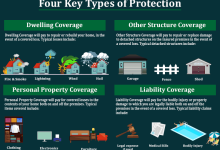
Home insurance serves as a crucial safety net for homeowners, protecting them from financial loss due to various risks associated with property ownership. It provides peace of mind, knowing that one’s investment and belongings are safeguarded against unforeseen events such as natural disasters, theft, or accidents. In an ever-changing world, having a comprehensive home insurance policy is not just advisable; it’s a necessity.A standard home insurance policy typically consists of several key components designed to cover different aspects of a homeowner’s needs.
These include dwelling coverage, personal property coverage, liability protection, and additional living expenses. Each component plays a vital role in ensuring comprehensive coverage against a range of potential risks.
Components of a Standard Home Insurance Policy
The following components are integral to a typical home insurance policy, each tailored to address specific homeowner concerns:
- Dwelling Coverage: This component protects the physical structure of the home, including the walls, roof, and foundation, against hazards such as fire, storm damage, and vandalism.
- Personal Property Coverage: This covers personal belongings within the home, including furniture, electronics, and clothing, in the event of theft or damage. For instance, if a homeowner’s laptop is stolen during a break-in, this coverage would help replace it.
- Liability Protection: This aspect of home insurance shields homeowners from legal claims for injuries or damages that occur on their property. For example, if a visitor slips and falls, liability protection can cover medical bills and legal costs.
- Additional Living Expenses: In case the home becomes uninhabitable due to a covered event, this component assists with temporary living costs, such as hotel bills and meals, until the home is repaired.
Common Home Insurance Claims
Understanding common claims can help homeowners appreciate the value of their insurance policy. The most frequent claims typically include:
- Fire Damage: Claims related to fire damage are some of the most costly. Homeowners often file claims for the destruction caused by flames, smoke, and even water damage from firefighting efforts.
- Theft: Unfortunately, incidents of burglary are common. Homeowners often file claims to recover losses from stolen items, which can range from electronics to jewelry.
- Weather-Related Damage: Natural disasters such as hurricanes, tornadoes, and floods can wreak havoc on homes. Insurance claims for roof damage, flooding, and other storm-related issues are frequently filed.
- Liability Incidents: As mentioned earlier, incidents leading to liability claims, such as injuries on the property, can result in substantial insurance payouts, protecting homeowners from significant financial burden.
Types of Home Insurance Policies

Home insurance policies come in various types, each tailored to meet specific needs and circumstances. Understanding these different policies is crucial for homeowners to make informed decisions regarding their coverage. This section will explore several key types of home insurance policies available in the market, highlighting the risks they cover and any notable exclusions.
Named Perils vs. All-Risk Policies
Home insurance policies generally fall into two main categories: named perils and all-risk (or open perils) policies. Each type has distinct features, covering various risks that homeowners may face. Named Perils Policies cover specific risks explicitly listed in the policy. Common named perils include:
- Fire and lightning
- Windstorm or hail
- Explosion
- Theft
- Vandalism
While named perils policies offer clear coverage, they also come with exclusions. For instance, damage caused by floods or earthquakes may not be covered unless specifically included in the policy. All-Risk Policies provide broader protection by covering risks that are not explicitly excluded. This means that unless a peril is mentioned in the exclusions, it is typically covered. Some standard exclusions in all-risk policies may include:
- Wear and tear
- Neglect
- Floods
- Earthquakes
The choice between named perils and all-risk policies carries its own set of advantages and disadvantages.
Named perils policies can be more affordable, but they leave homeowners vulnerable to risks that are not listed. All-risk policies offer comprehensive coverage, yet they tend to have higher premiums.
When selecting a policy, homeowners should carefully assess their property’s risks and their financial situation. A thorough review of the specific coverages and exclusions will ensure better alignment with the homeowner’s needs and peace of mind.
Factors Influencing Home Insurance Premiums
Home insurance premiums are not set in stone; they can be influenced by a variety of factors. Understanding what affects these premiums can help homeowners make informed decisions when purchasing or renewing their policies. A combination of property characteristics, personal attributes, and external elements all play a role in determining the cost of home insurance.One of the most significant factors affecting home insurance premiums is the location of the property.
Homes situated in areas prone to natural disasters, such as floods or earthquakes, often incur higher premiums. Additionally, the local crime rate can influence rates; a neighborhood with higher crime rates may lead to increased insurance costs due to the higher likelihood of theft or vandalism. Property value also plays a critical role, as higher-valued homes typically require more coverage, resulting in increased premiums.
Impact of Personal Characteristics on Insurance Rates
Homeowners’ personal characteristics can significantly impact their insurance rates. Insurers evaluate various personal factors, including:
- Credit Score: Homeowners with higher credit scores generally receive lower premiums, as insurers view them as lower-risk clients.
- Claims History: A history of frequent claims can raise premiums, indicating to insurers that a homeowner may be more likely to file future claims.
- Home Maintenance: Homes that are well-maintained and equipped with safety features, such as security systems or smoke detectors, may qualify for discounts.
Understanding these factors can empower homeowners to take control of their insurance costs. For instance, improving a credit score or opting for higher deductibles can lead to significant savings.
Methods for Lowering Home Insurance Costs
Homeowners can adopt several strategies to reduce their insurance premiums. Implementing effective methods can lead to substantial savings over time. Some approaches include:
- Bundling Policies: Combining home insurance with auto or other types of insurance often results in discounts from insurers.
- Increasing Deductibles: A higher deductible typically lowers monthly premiums, although it means paying more out-of-pocket during a claim.
- Reviewing Coverage: Regularly assessing and adjusting coverage to fit current needs can prevent over-insurance and save money.
- Shopping Around: Comparing quotes from multiple insurers can reveal competitive rates and potential savings.
By actively managing these aspects, homeowners can effectively lower their home insurance costs while ensuring they maintain adequate coverage.
Home Insurance and Natural Disasters
Home insurance plays a critical role in protecting homeowners from the financial impact of unexpected events, particularly natural disasters. Understanding the coverage options available can help homeowners select policies that best fit their needs and provide peace of mind during calamities. This section discusses common natural disasters covered under home insurance policies and highlights the importance of additional coverage for specific risks.
Common Natural Disasters Covered by Home Insurance
Most standard home insurance policies typically provide coverage for several types of natural disasters, which may include:
- Fire: Coverage includes damages caused by wildfires, house fires, and other fire-related incidents.
- Windstorms: This includes damage from hurricanes, tornadoes, and severe thunderstorms.
- Hail: Damage to roofs, windows, and siding from hailstorms is usually covered.
- Lightning: Coverage typically includes damages from lightning strikes, which can cause direct damage or fire.
While these types of coverage can be beneficial, homeowners need to be aware that some natural disasters may not be automatically included in their policies.
Importance of Additional Coverage for Specific Risks
Certain natural disasters, such as floods and earthquakes, often require additional coverage due to their unique nature and severity. Standard home insurance policies commonly exclude these risks, necessitating specialized endorsements or separate policies.
Without appropriate coverage, homeowners may face significant financial loss in the event of a natural disaster.
For example, flood damage can be catastrophic and is not covered under standard home insurance. The National Flood Insurance Program (NFIP) offers flood insurance that homeowners can purchase separately. This specialized coverage is crucial, especially for those living in flood-prone areas.Similarly, earthquake damage can lead to extensive structural harm. Homeowners in seismic zones are encouraged to obtain earthquake endorsements to ensure protection against potential damage.
Comparison of Standard Policies and Specialized Endorsements
Homeowners should understand the differences between standard home insurance policies and specialized endorsements, particularly regarding disaster coverage.
| Coverage Type | Standard Home Insurance | Specialized Endorsements |
|---|---|---|
| Protection Against Natural Disasters | Fire, windstorms, hail, lightning | Flood and earthquake coverage |
| Typical Exclusions | Floods, earthquakes | Specific endorsements available for additional cost |
| Cost of Coverage | Generally lower premiums | Higher premiums due to increased risk |
Homeowners must carefully evaluate their location, the risks they face, and their financial situation when deciding on coverage. Ensuring adequate protection against potential natural disasters can save them from substantial losses.
The Claims Process
Filing a home insurance claim can often feel overwhelming, but understanding the steps involved can make the process smoother. When a loss occurs, knowing how to navigate the claims process can significantly reduce stress and ensure you receive the compensation you’re entitled to. Here’s a breakdown of what to expect when filing a home insurance claim.
Steps for Filing a Home Insurance Claim
Initiating the claims process involves several key steps that homeowners should follow to ensure their claim is processed efficiently.
- Notify Your Insurance Company: As soon as you experience a loss, contact your insurance provider to report the incident. Have your policy number ready to expedite the process.
- Document the Damage: Take clear photographs or videos of the damage. This evidence will be vital for your claim.
- Compile Necessary Documentation: Gather all relevant documents, including your policy details, receipts, and any other evidence related to the loss.
- Submit the Claim: Complete the required paperwork provided by your insurer, ensuring all information is accurate and comprehensive.
- Communicate with Adjusters: An insurance adjuster will be assigned to evaluate your claim. Be prepared to answer questions and provide additional documentation as requested.
- Review the Settlement Offer: Once the adjustment is complete, your insurer will present a settlement offer. Review it carefully and ensure it reflects the damages accurately.
Documentation Required for a Claim
Accurate documentation plays a crucial role in supporting your home insurance claim. Maintaining organized records can significantly affect the outcome of your claim.
“Thorough documentation can be the difference between a swift settlement and a lengthy dispute.”
Essential documents to support your claim include:
- Policy Documents: Keep a copy of your insurance policy and any endorsements that may apply to your claim situation.
- Proof of Ownership: Receipts or bills of sale for damaged items can help establish their value.
- Photographs: Visual evidence of the damage is compelling. Ensure images are clear and taken from different angles.
- Repair Estimates: Obtain estimates from contractors for repairs needed, which can help determine the compensation required.
- Correspondence Records: Keep a detailed log of communications with your insurance company, including dates, times, and the names of representatives you spoke with.
Communicating with Insurance Adjusters
Effective communication with insurance adjusters is vital during the claims process. Building a professional rapport can facilitate smoother interactions and help in the resolution of your claim.
“Clear and concise communication can expedite the claims process.”
To communicate effectively:
- Be Prepared: Have all necessary documentation organized and readily accessible during conversations.
- Stay Professional: Maintain a calm demeanor, even if the situation is frustrating. Professionalism can lead to better outcomes.
- Ask Questions: If unsure about any aspect of the process or adjustment, don’t hesitate to ask for clarification or further details.
- Follow Up: Regularly check in with the adjuster regarding the status of your claim. This shows your engagement and can prompt quicker responses.
- Document Everything: Keep notes from conversations, including dates, times, and details discussed, to create a clear record of your interactions.
Home Insurance Myths and Misconceptions
Many homeowners rely on the information they hear from friends, family, or the internet when it comes to home insurance. Unfortunately, this can lead to a series of myths and misconceptions that may impact their decisions and financial security. Understanding the reality behind these myths is crucial to ensuring homeowners have the coverage they need to protect their properties.
Common Myths About Home Insurance
Numerous myths about home insurance circulate widely, leading to misunderstandings about what policies truly cover. It’s essential to clear the air on these misconceptions to empower homeowners in their choices.
- Homeowners Insurance Covers All Disasters — Many believe that their home insurance policy covers every possible disaster. In reality, most standard policies exclude certain events such as floods and earthquakes. Homeowners in areas at risk for these disasters may need additional coverage.
- All Personal Property is Covered — A common misconception is that all personal belongings are automatically covered under a homeowner’s policy. However, coverage limits apply to specific categories of items like jewelry, art, and electronics. Homeowners may need to purchase additional endorsements for high-value items.
- Home Insurance Premiums are the Same for Everyone — Some homeowners assume that premiums are uniform across the board. In fact, premiums vary significantly based on factors such as location, the age of the home, claim history, and the homeowner’s credit score.
- Renters Don’t Need Insurance — Many renters believe they don’t require insurance since the landlord has a policy. This is inaccurate; renters need their own coverage to protect personal belongings and liability in case of accidents.
- Home Insurance Covers Home Business Losses — Homeowners running a business from home often mistakenly believe their policy covers business-related losses. Typically, personal home insurance does not cover business equipment or liability related to business activities.
Misconceptions About Coverage Limits and Exclusions
Understanding the specifics of coverage limits and exclusions is vital for homeowners to avoid unexpected costs during a claim. Many policies come with limitations that are often overlooked.
- Low Coverage Limits — Homeowners may not realize that their policy’s coverage limits might not reflect the current market value of their home. For example, a home valued at $300,000 may only have a coverage limit of $200,000 due to outdated policy terms. Regularly reviewing and updating coverage is necessary to ensure adequate protection.
- False Belief of Automatic Replacement Cost Coverage — Some homeowners assume their policy will cover the full replacement cost of their home. However, many policies provide actual cash value, which deducts depreciation from the payout. This can result in a significant financial shortfall in the event of a total loss.
- Exclusions for Certain Types of Damage — Homeowners often overlook that specific damages, like mold or wear and tear, may not be covered under their standard policy. Understanding what is explicitly excluded can prevent unpleasant surprises during the claims process.
Impact of Misinformation on Insurance Decisions
The spread of misinformation regarding home insurance can lead to poor decision-making, leaving homeowners vulnerable. Many decide to forgo adequate coverage based on myths, leading to financial hardship after a loss occurs.
“Being informed is the first step in securing your home and financial future. Misunderstandings about home insurance can have lasting consequences.”
Understanding the realities surrounding home insurance, including coverage details and exclusions, helps homeowners make informed decisions. Clear communication and education about these common myths are vital in promoting better insurance practices among homeowners.
Choosing the Right Insurance Provider
Selecting the right home insurance provider is crucial for ensuring that your home and belongings are adequately protected. With numerous options available, it’s essential to evaluate different companies by considering their offerings, customer feedback, and overall reliability. This guidance will help you make an informed decision that aligns with your insurance needs.
Checklist for Evaluating Home Insurance Companies
When assessing potential home insurance providers, it’s beneficial to have a structured approach. A checklist can streamline this process and ensure that you cover all important aspects. Below are key items to include in your evaluation checklist:
- Company Reputation: Research the provider’s history and market presence.
- Coverage Options: Review the types of coverage available and any additional endorsements offered.
- Customer Service: Consider the accessibility and responsiveness of customer support.
- Policy Flexibility: Check if the company allows customization of policies to fit specific needs.
- Claims Process: Investigate how straightforward the claims process is, including the time taken to settle claims.
- Premium Rates: Compare premium rates while considering the coverage provided.
- Discounts: Look for available discounts that can help reduce your overall costs.
Importance of Reading Customer Reviews and Checking Financial Stability
Customer reviews provide valuable insights into a company’s service quality and reliability. They often highlight the experiences of existing policyholders and can reveal patterns in customer satisfaction or dissatisfaction. Additionally, evaluating a company’s financial stability is paramount, as it indicates their ability to pay out claims in the event of a disaster.
A financially stable company is more likely to honor claims promptly and maintain the trust of its customers.
To assess financial stability, consider consulting ratings from agencies like A.M. Best or Standard & Poor’s. These ratings reflect the insurer’s ability to meet its ongoing financial obligations and can be a good indicator of their reliability.
Value of Working with an Agent Versus Purchasing Insurance Online
When deciding how to purchase home insurance, you can either work with an agent or choose to buy a policy online. Each option has its benefits, and understanding these can help you decide which route to take.Working with an agent often provides personalized guidance, allowing you to ask questions and receive tailored advice based on your unique circumstances. Agents can also help you navigate complex policy details and ensure you understand your coverage.Conversely, purchasing insurance online offers convenience and the ability to quickly compare various policies and pricing.
Online platforms often feature user-friendly interfaces that allow you to generate quotes and finalize policies without the need for face-to-face interactions.Both methods have their merits, and your choice may depend on your comfort level with technology, your familiarity with insurance, and whether you prefer personalized service or the efficiency of online transactions.

Hi, I’m Lauren. As a digital enthusiast and storyteller, I love breaking down complex ideas into easy-to-read articles. My goal is to provide readers with fresh perspectives and helpful solutions through every piece I write.