Auto insurance quotes can seem like a daunting task, but they hold the key to finding the best coverage for your needs. By exploring multiple quotes, you not only save money but also gain valuable insights into the various coverage options available. From understanding the components of a quote to the impact of personal factors and technology, this guide offers a comprehensive look at navigating the world of auto insurance.
When seeking an auto insurance quote, it’s essential to know what information you’ll need and the steps to take to ensure you get an accurate figure. Whether you choose to gather quotes online or speak with an agent, understanding the nuances of coverage types, deductibles, and potential discounts will empower you to make informed decisions.


Overview of Auto Insurance Quotes
Obtaining an auto insurance quote is a crucial step in securing the right coverage for your vehicle. It provides an estimate of what you will pay for your insurance based on various factors related to you and your car. Understanding the intricacies of auto insurance quotes can empower you to make informed decisions and save money in the long run.An auto insurance quote is essentially a projection of the premium you can expect to pay for your auto insurance coverage.
Insurance companies use a variety of data points to generate these quotes, including your driving history, the type of vehicle you own, and other personal details. Getting multiple quotes allows you to compare prices and coverage options, ensuring that you find the best fit for your needs and budget.
Significance of Obtaining Multiple Quotes
The importance of gathering multiple auto insurance quotes cannot be overstated. Comparing quotes from different providers helps you identify the most competitive rates and the best coverage options tailored to your requirements. A single quote may not accurately reflect the market, as prices can vary significantly among insurers. By looking at several quotes, you can discern patterns in pricing and coverage, potentially uncovering savings that might otherwise go unnoticed.
Factors Influencing Auto Insurance Quotes
Several critical factors impact the cost of auto insurance quotes. Understanding these elements can aid you in making educated decisions when seeking coverage. Here are some of the most common factors:
- Driving Record: A clean driving history, free from accidents and traffic violations, typically results in lower premiums.
- Vehicle Type: The make, model, and age of your vehicle can affect your insurance rates. High-performance cars or those with high theft rates may attract higher premiums.
- Location: Your geographic location plays a significant role. Areas with higher crime rates or accident frequencies usually have elevated insurance costs.
- Age and Gender: Younger drivers and male drivers statistically face higher rates due to perceived higher risk.
- Coverage Amount: The level of coverage you choose influences your premium. Opting for lower deductibles often leads to higher monthly payments.
- Credit Score: In many states, insurers consider your credit score when calculating premiums, with better scores typically leading to lower rates.
“Understanding the factors that influence your auto insurance quotes can help you make informed choices and potentially save money.”
Being aware of these factors and how they contribute to your quote will enable you to navigate the auto insurance market more effectively. This knowledge will assist you not only in securing the right coverage but also in optimizing your insurance costs.
How to Obtain an Auto Insurance Quote
Obtaining an auto insurance quote online can be a straightforward process if you know the necessary steps and information to provide. By following the right approach, you can ensure that you receive an accurate estimate tailored to your specific needs.To get started with your auto insurance quote, you will need to gather some essential information. This includes your personal details, vehicle information, and driving history.
Each of these elements plays a crucial role in determining your insurance premium. Taking the time to prepare this information will help streamline the quoting process.
Steps to Gather an Auto Insurance Quote Online
Gathering an auto insurance quote online typically involves several key steps. These steps ensure that you receive a comprehensive and accurate quote.
1. Visit Insurance Provider Websites
Start by visiting the websites of various insurance companies. Most providers offer user-friendly quote tools that guide you through the process.
2. Provide Personal Information
Fill out the necessary personal details, including your name, address, date of birth, and occupation. This information helps insurers assess your risk profile.
3. Enter Vehicle Details
Input information about your vehicle, such as the make, model, year, and Vehicle Identification Number (VIN). This data is critical for determining the vehicle’s value and associated risks.
4. Share Driving History
Many insurance companies will require information regarding your driving history. This includes any accidents, violations, or claims you may have had in the past 3-5 years.
5. Select Coverage Options
Choose your desired coverage levels, such as liability, collision, comprehensive, and uninsured motorist coverage. Having a clear understanding of your coverage needs ensures an accurate quote.
6. Review and Submit
Once all the information is entered, review your details for accuracy. Submitting your request will typically provide you with potential quotes within minutes.
Essential Information for an Accurate Quote
Providing comprehensive information is crucial for obtaining an accurate auto insurance quote. Below are the key details you should have on hand:
Personal Information
Full name, address, and contact information.
Vehicle Information
Year, make, model, and VIN of your vehicle.
Driving History
Record of past accidents, traffic violations, and claims.
Coverage Preferences
Desired coverage limits and types.
Usage Information
Estimated annual mileage and how you use the vehicle (personal, commuting, business).Having this information readily available will speed up the quoting process and improve the accuracy of the estimates you receive.
Tips for Contacting Insurance Agents for Quotes
When contacting insurance agents for quotes, a few tips can make the process more efficient and effective. Engaging with agents can also provide you with insights and options that online tools might not offer.
Be Prepared
Have all your personal and vehicle information on hand before reaching out. This allows for a smoother conversation and more accurate quotes.
Ask for Discounts
Inquire about any discounts that may be available, such as safe driver discounts, multi-policy discounts, or discounts for vehicle safety features.
Clarify Coverage Options
Don’t hesitate to ask questions about the coverage options available, including what each type of coverage entails and the benefits of each.
Request Multiple Quotes
It’s advisable to contact a few agents to compare quotes and coverage options. This will give you a clearer picture of the market and help you make an informed decision.
Follow Up
If you don’t receive a response, consider following up with the agent to ensure your inquiry is being addressed.Utilizing these steps and tips will not only help you obtain accurate auto insurance quotes but will also empower you in your decision-making process regarding auto insurance.
Understanding the Components of an Auto Insurance Quote
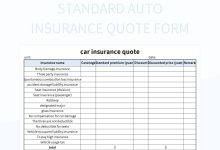
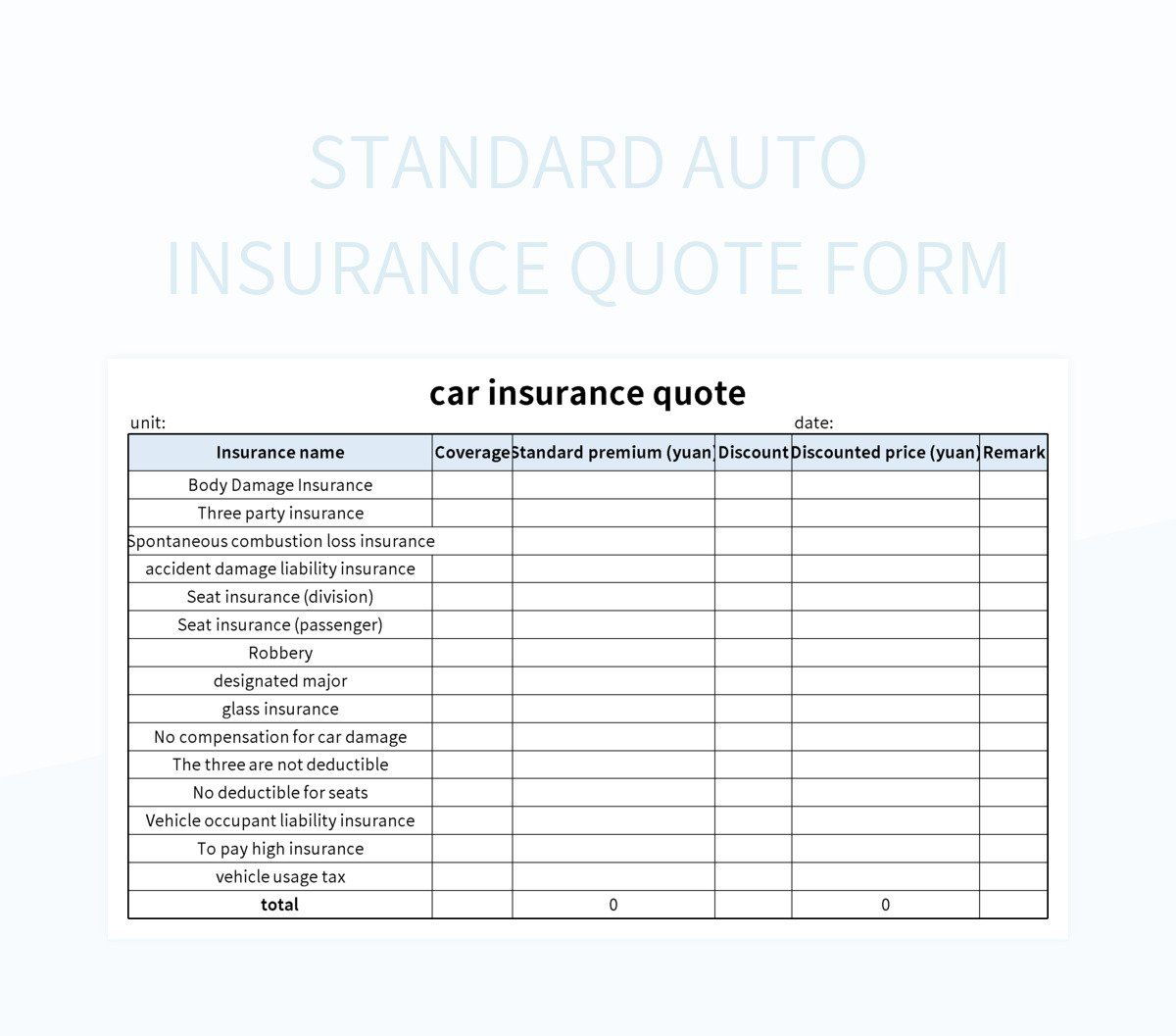
When you’re in the market for auto insurance, receiving a quote is a crucial step in understanding your potential costs and coverage. An auto insurance quote Artikels the price you may pay for insurance, along with the specific coverage options included. Understanding the components of a quote can help you make informed decisions and ensure you’re choosing the right policy for your needs.An auto insurance quote typically includes several key elements that will affect your premium and coverage.
These components provide a detailed look at what is being offered and how your individual circumstances influence the overall cost of your insurance. Here are the main elements you can expect to find in an auto insurance quote:
Typical Elements Included in an Auto Insurance Quote
The components of an auto insurance quote can significantly influence your final premium. Here’s a breakdown of the most common elements:
- Personal Information: This includes your name, address, age, and driving history, which all play a role in determining your risk level.
- Vehicle Information: Details about the make, model, year, and vehicle identification number (VIN) of your car. The value and safety features of your vehicle can affect your rates.
- Coverage Types: Different types of coverage such as liability, collision, comprehensive, uninsured motorist, and medical payments are listed. Each type adds a different layer of protection.
- Premium Amount: This is the total cost you will pay for the insurance coverage you select, often broken down into monthly or annual payments.
- Deductible Amount: The deductible is the amount you agree to pay out of pocket before your insurance kicks in for a claim. Higher deductibles generally lower the premium.
Impact of Coverage Types on Quotes
The type of coverage you choose has a significant effect on your auto insurance quote. Different coverage options provide varying levels of protection, which ultimately influence the cost. Here’s a closer look at how different types of coverage can impact your premium:
- Liability Coverage: This is the basic requirement for auto insurance in most states. It covers damages to others in an accident you cause. Higher liability limits increase your premium.
- Collision Coverage: This covers damages to your vehicle from a collision, regardless of fault. Including this in your policy will raise your premium compared to a liability-only policy.
- Comprehensive Coverage: This protects against non-collision-related incidents, such as theft or natural disasters. Comprehensive coverage typically increases your premium significantly.
- Uninsured/Underinsured Motorist Coverage: This type covers your expenses if you are involved in an accident with someone who lacks sufficient insurance. While essential for some, it does add to the overall cost.
Comparison of Deductible Options
Selecting a deductible is an important choice that can influence your auto insurance quote. Understanding the trade-offs between different deductible amounts can help you find a balance between risk and cost.
- Low Deductible: This option means that you pay less out of pocket when making a claim. However, it often results in higher premiums. For instance, if you choose a $250 deductible, your monthly payments may rise substantially.
- High Deductible: Opting for a higher deductible, such as $1,000, typically lowers your premium. This can be a good choice for those who are financially able to shoulder more risk. While it saves money monthly, it can lead to higher costs when filing claims.
- Choosing the Right Deductible: It’s essential to evaluate your financial situation and driving habits. If you rarely file claims, a higher deductible might save you money overall. Conversely, if you anticipate needing to file claims, a lower deductible may be more advantageous.
Remember that a higher deductible can lead to lower premiums but increases your out-of-pocket costs in the event of an accident.
Factors Affecting Auto Insurance Quotes
When it comes to auto insurance, various elements play a significant role in determining the quotes you’ll receive. Understanding these factors can help you make informed decisions when comparing policies. Personal characteristics, external conditions, and your driving history all contribute to how much you’ll pay for coverage. By diving deeper into these aspects, you can uncover the reasons behind your insurance rates.
Personal Factors Influencing Insurance Pricing
Several personal factors are evaluated by insurance companies to establish your risk profile and rate. These include:
- Age: Younger drivers often face higher rates due to lack of experience. For example, a 22-year-old may pay significantly more than a 40-year-old with a clean driving record.
- Gender: Statistically, male drivers tend to take more risks, resulting in higher premiums compared to female drivers.
- Marital Status: Married individuals typically enjoy lower rates, as they are seen as more stable and responsible.
- Credit History: A good credit score can result in lower premiums, as insurers associate responsible financial behavior with responsible driving.
External Factors Affecting Quotes
Your environment and the vehicle you drive also significantly impact your insurance quote. Insurers analyze the following:
- Location: Urban areas often have higher rates due to increased accident rates and theft occurrences compared to rural settings.
- Vehicle Type: The make and model of your car affect premiums. Luxury vehicles and sports cars typically incur higher rates due to their higher repair costs and increased likelihood of theft.
- Market Trends: Changes in the insurance market, such as natural disasters or economic conditions, can lead to rate adjustments across the board.
Driving History and Its Impact on Estimates
Your driving record is one of the most critical elements influencing your insurance premium. A clean driving history suggests low risk, while violations can lead to increased rates. Consider the following factors:
- Accidents: If you have a history of accidents, insurers may classify you as a higher risk, leading to increased premiums.
- Traffic Violations: Speeding tickets or DUI convictions can severely impact your eligibility for lower rates.
- Claims History: Frequent claims, even if minor, can indicate that you are prone to filing, resulting in higher quotes over time.
Consistently safe driving can lead to discounts and lower premiums, while a poor record can detract from your overall insurance affordability.
By understanding these various factors, you can better navigate the auto insurance landscape and potentially find more favorable quotes tailored to your unique situation.
Comparing Auto Insurance Quotes
When it comes to choosing the right auto insurance, comparing quotes is an essential step. Each insurer may offer varying policies, coverage options, and pricing structures that can impact your final decision. By comparing quotes effectively, you can ensure that you get the best coverage for your needs at a competitive price.To make a well-informed choice, it’s important to establish a method for comparing different insurance quotes.
This involves looking beyond just the price and assessing the core attributes of each policy. A systematic approach enables consumers to identify which policy offers the best overall value based on their individual circumstances.
Checklist for Comparing Quotes
When comparing auto insurance quotes, there are several key attributes you should consider. Having a checklist can help you stay organized and focused during your comparison process. Here are the essential items to include:
- Premium Costs: Assess the monthly or annual premium and how it fits into your budget.
- Deductibles: Understand the deductibles for comprehensive and collision coverage, as higher deductibles typically lower premiums.
- Coverage Limits: Review the limits of liability coverage, property damage, and personal injury protection to ensure they meet your needs.
- Discounts: Look for available discounts, such as safe driver discounts, multi-policy discounts, and others that could reduce your premium.
- Customer Service: Check the insurer’s reputation for customer service and claims handling, which can be crucial in times of need.
- Financial Stability: Research the insurer’s financial health through ratings from agencies like A.M. Best or Standard & Poor’s.
Summarizing Key Quote Attributes
To visually compare the attributes of different insurance quotes, creating a summary table is effective. This allows for easy reference and helps in making a final decision. Below is an example of how you can format this table:
| Insurance Company | Premium Cost | Deductibles | Coverage Limits | Discounts Available | Customer Service Rating |
|---|---|---|---|---|---|
| Company A | $1,200/year | $500 | $100,000/$300,000 | Safe Driver, Multi-policy | 4.5/5 |
| Company B | $1,100/year | $1,000 | $50,000/$150,000 | Good Student, Low Mileage | 4.0/5 |
| Company C | $1,300/year | $250 | $100,000/$300,000 | Bundled Insurance | 4.2/5 |
Using a systematic checklist and summary table can simplify the decision-making process when choosing auto insurance.
Discounts on Auto Insurance Quotes
Many drivers may not be aware that there are various discounts available when obtaining auto insurance quotes. These discounts can significantly lower your premium, making auto insurance more affordable. Understanding the types of discounts that may apply to your situation can help you save money while ensuring that you have the coverage you need.Discounts on auto insurance can come in several forms, and insurers often have different criteria for qualification.
Common discounts include those for safe driving records, good student status, bundling multiple policies, and installing safety features in your vehicle. It is essential to inquire about these options when obtaining your quote, as they can vary by provider.
Types of Discounts on Auto Insurance
Understanding the various types of discounts offered by auto insurance companies can help you maximize your savings. Here are some of the most common discounts you may qualify for:
- Safe Driving Discount: Insurers often reward drivers with a clean driving record. If you’ve had no accidents or violations in a specified period, you may qualify for this discount.
- Good Student Discount: Many insurers provide discounts for full-time students who maintain a high GPA. This encourages responsible behavior among younger drivers.
- Bundling Policies: If you purchase multiple insurance policies (like home and auto) from the same company, you can usually receive a bundling discount.
- Safety Features Discount: Cars equipped with advanced safety features (like anti-lock brakes, airbags, or lane departure warnings) often qualify for discounts due to their lower risk of accidents.
- Low Mileage Discount: If you drive less than a certain number of miles annually, some insurers will provide a discount, as lower mileage typically correlates with fewer accidents.
- Membership Discounts: Certain organizations, such as professional associations or alumni groups, may offer discounts through partnered insurers.
When obtaining a quote, it is crucial to ask the insurance representative about the available discounts. Make sure to mention your specific circumstances, such as being a safe driver or a student, to ensure you receive all potential savings. Many insurance companies have online tools or customer service representatives available to discuss which discounts you may qualify for, making it easier to get the most accurate quote.
Common Mistakes When Getting an Auto Insurance Quote
When it comes to securing the right auto insurance, many individuals fall prey to common mistakes that can lead to inadequate coverage or higher premiums. Understanding these pitfalls is crucial for making informed decisions. By recognizing frequent errors and addressing misconceptions, you can navigate the quote process more effectively and ensure that you receive the best coverage for your needs.One of the critical aspects of obtaining an auto insurance quote is to be aware of the common mistakes people often make.
These errors can significantly affect the quality of the insurance policy and the overall cost. Here are several mistakes to avoid when requesting quotes.
Frequent Errors in Requesting Auto Insurance Quotes
Many individuals overlook essential details or rush through the quoting process. The following mistakes can lead to misunderstandings and ultimately impact your insurance experience:
- Providing Incomplete Information: Failing to disclose all relevant details, such as your driving history or vehicle specifications, can result in inaccurate quotes.
- Not Comparing Multiple Quotes: Relying on a single quote can prevent you from discovering better rates or coverage options from other insurers. Always seek multiple quotes for comparison.
- Ignoring Discounts: Many insurers offer discounts for safe driving, bundling policies, or having certain safety features in your vehicle. Failing to inquire about these can lead to higher premiums.
- Choosing the Lowest Premium: Opting for the cheapest option without considering coverage limits and exclusions can leave you underinsured in the event of an accident.
Reading the fine print in auto insurance quotes is a crucial step that many individuals neglect. The fine print contains important information regarding coverage limits, exclusions, and conditions that may affect your claim. Failing to understand these details can lead to unpleasant surprises when you need to file a claim.
Importance of Reading the Fine Print
The fine print may seem tedious, but it’s vital for making an informed choice. Key elements often found in the fine print include:
- Exclusions: Specific situations or damages that are not covered by the policy. For example, some policies may exclude coverage for certain types of accidents or natural disasters.
- Limits on Coverage: Maximum amounts that the insurer will pay for various types of claims. Understanding these limits can prevent unexpected out-of-pocket expenses.
- Deductibles: The amount you must pay out of pocket before the insurance kicks in. Higher deductibles can lower premiums, but they may also increase your financial burden in a claim.
Misconceptions about auto insurance quotes can also lead individuals to make poor choices. Many people hold inaccurate beliefs that can cloud their judgment when selecting coverage.
Common Misconceptions About Auto Insurance Quotes
Understanding misconceptions can help you avoid pitfalls in the quoting process. Here are some prevalent misunderstandings that can lead to poor insurance choices:
- All Quotes Are the Same: Many believe that quotes from different insurers are interchangeable, but each policy can vary significantly in terms of coverage and exclusions.
- Credit Score Doesn’t Matter: Some individuals think their credit score does not affect their premium rates. However, many insurers consider credit scores when determining the risk and pricing of an insurance policy.
- Mandatory Minimum Coverage Is Sufficient: Some assume that simply meeting state-mandated minimum coverage requirements is enough. In reality, minimum coverage may not adequately protect you in an accident.
Being aware of these common mistakes, the importance of reading fine print, and understanding misconceptions can empower you to make better choices in the auto insurance market. Your awareness can lead to smarter selections that fit your specific needs and financial situation.
The Role of Technology in Auto Insurance Quotes
In today’s fast-paced world, technology plays a pivotal role in streamlining the process of obtaining auto insurance quotes. The integration of digital tools not only enhances user experience but also provides consumers with quicker and more accurate information. With a few clicks or taps, individuals can access a wealth of options, making it easier to find the best coverage to fit their needs.One significant way technology simplifies the quote process is through automated algorithms and online forms that allow consumers to input basic information quickly.
This data is then processed in real-time, generating multiple quotes from different insurance providers almost instantly. This immediacy is a game-changer, as it eliminates the need for lengthy phone calls or in-person meetings that can be both time-consuming and inconvenient.
Comparison Websites for Quotes
Comparison websites serve as a valuable resource for those seeking auto insurance quotes. They aggregate information from various insurers, allowing users to review multiple options side by side. This approach not only promotes transparency in pricing but also empowers consumers to make informed decisions based on their specific requirements. Many comparison sites offer features such as:
- Side-by-side policy comparisons, highlighting coverage differences and premiums.
- Customer reviews and ratings for each insurance provider, offering insights into service quality.
- Filter options to tailor search results based on price, coverage type, and customer ratings.
- Interactive tools that estimate potential savings based on provided information.
These features enhance consumer confidence in their choices, ensuring they find an appropriate policy for their needs without the hassle of searching individual insurer websites.
Mobile Apps and Quick Quotes
Mobile apps have revolutionized the way consumers access auto insurance quotes, making the process more convenient than ever. Many insurance companies and third-party developers offer apps specifically designed for quick quote generation. These apps often come with user-friendly interfaces that require minimal input for maximum results.Key features of these mobile apps typically include:
- Instant quote generation based on user-inputted details like vehicle type and driving history.
- Push notifications to alert users of policy renewals, changes, or promotional offers.
- Easy access to customer support for assistance or questions regarding quotes.
- Comparison tools that allow users to check quotes from multiple insurers in one place.
The convenience of having quotes at your fingertips has made it easier for consumers to stay informed about their insurance options and make choices that align with their financial and coverage needs.
The integration of technology in the auto insurance quoting process not only enhances efficiency but also fosters a more informed consumer base, leading to better purchasing decisions.
Future Trends in Auto Insurance Quotes
The auto insurance quote market is evolving rapidly, influenced by advancements in technology, changing consumer behaviors, and regulatory shifts. Understanding these trends is essential for both insurers and customers, as they can significantly impact how quotes are generated and perceived. As we explore these emerging trends, we’ll delve into the transformative role of telematics and discuss the potential regulatory changes on the horizon.
Emerging Trends in the Auto Insurance Market
Several key trends are shaping the future of auto insurance quotes, reflecting a shift toward more personalized and data-driven approaches. Insurers are increasingly leveraging technology to enhance their offerings, leading to a more competitive market.
- Personalization through Data Analytics: Insurers are using sophisticated data analytics to create tailored quotes based on individual driving habits and preferences. This move towards personalization helps customers receive more accurate and relevant pricing.
- Adoption of Artificial Intelligence (AI): AI is streamlining the quoting process by automating data collection and analysis, allowing insurers to provide instant quotes. This reduces turnaround time and enhances the customer experience.
- Greater Emphasis on Customer Experience: Insurers are focusing on improving customer interactions by simplifying the quoting process and providing transparent information about coverage options, leading to informed decisions.
Telematics Transforming Quote Calculations
Telematics is revolutionizing how auto insurance quotes are calculated. By utilizing GPS and onboard diagnostics, insurers can gather real-time driving data that provides insights into driver behavior.
Telematics enables insurers to implement usage-based insurance (UBI) models, where drivers pay premiums based on their actual driving habits rather than general risk assessments.
This technology not only enhances the accuracy of quotes but also encourages safer driving. Insurers can offer discounts to drivers who demonstrate responsible behavior, fostering a culture of safety on the roads.
- Pay-As-You-Drive (PAYD) Models: These models allow customers to pay premiums based on the miles driven, aligning costs with actual usage.
- Behavioral Incentives: Insurers can provide rewards for safe driving practices, such as maintaining a safe speed or avoiding harsh braking, which can lead to lower premiums.
- Real-Time Feedback: Through mobile apps, drivers can receive immediate feedback on their driving habits, helping them make adjustments to lower their insurance costs.
Potential Regulatory Changes Impacting Quoting Procedures
As the auto insurance landscape evolves, regulatory changes are expected to follow suit, potentially impacting quoting procedures. Regulators are increasingly focused on consumer protection and fair practices within the insurance industry.
Upcoming regulations may require insurers to disclose more information about how quotes are calculated, ensuring transparency and fairness for consumers.
These changes are likely to affect various aspects of the quoting process, including the use of data and the criteria for pricing.
- Data Privacy Regulations: Stricter privacy laws may limit how insurers can collect and use personal data to calculate quotes, potentially increasing the cost of compliance.
- Standardized Metrics: Regulators may implement standardized metrics for calculating risk, promoting consistency across the industry and possibly affecting competitive pricing strategies.
- Consumer Protections: New policies may be introduced to protect consumers from discriminatory practices, ensuring that all drivers have access to fair quotes regardless of their background.

Hi, I’m Lauren. As a digital enthusiast and storyteller, I love breaking down complex ideas into easy-to-read articles. My goal is to provide readers with fresh perspectives and helpful solutions through every piece I write.