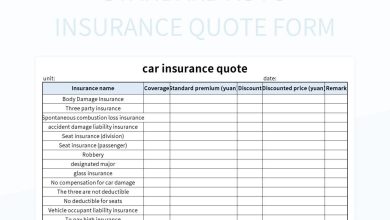
Renters insurance is an often-overlooked necessity for tenants, acting as a safety net in times of unexpected mishaps. It provides crucial coverage for personal belongings, liability protection, and even additional living expenses if you’re displaced due to a covered event. Understanding how renters insurance works can empower you to make informed decisions that will protect your assets and peace of mind.
This guide will delve into the various aspects of renters insurance, from the types of policies available to the costs involved, ensuring you have all the information you need to navigate this essential coverage. We’ll also address common misconceptions to help clarify what renters insurance truly entails.




Understanding Renters Insurance
Renters insurance is a crucial safeguard for tenants, providing financial protection against various risks associated with renting a home or apartment. While many people believe that their landlord’s insurance covers their personal belongings, this is a common misconception. Renters insurance serves to protect tenants’ personal property and liability, ensuring peace of mind in uncertain situations.Renters insurance typically covers personal property within the rented space, which includes furniture, electronics, clothing, and other personal items.
Additionally, it offers liability protection in case someone is injured in your rented home or if you accidentally cause damage to someone else’s property. Here’s a closer look at what is generally covered under renters insurance policies.
Coverage Details
Understanding the specifics of what renters insurance covers is essential for tenants. The primary components include:
- Personal Property Protection: This covers the cost of replacing or repairing personal belongings due to theft, fire, or other covered disasters. For instance, if a fire damages your furniture and electronics, renters insurance can help you recover those costs.
- Liability Coverage: If someone is injured while visiting your rental or if you accidentally damage someone else’s property, this coverage can help pay for legal expenses and damages. For example, if a guest slips on a wet floor in your apartment and requires medical attention, your renters insurance can cover their medical bills.
- Additional Living Expenses: If your rental becomes uninhabitable due to a covered event, this coverage helps pay for temporary housing and related expenses. A real-life scenario could be if your apartment is rendered unlivable after a major water leak; your insurance can assist with hotel costs while repairs are made.
Renters insurance is often misunderstood. Many tenants assume it is unnecessary or too expensive. However, the cost of renters insurance is typically quite affordable, often ranging from $15 to $30 per month, depending on coverage limits and geographic location.
“Renters insurance is not just an expense; it’s an investment in your peace of mind.”
Another misconception is the belief that roommates must have separate policies. While each tenant can have their own policy, it’s not mandatory. However, coordinating coverage can help avoid potential gaps in protection. Understanding these aspects is vital for making informed decisions about renters insurance, ensuring you are adequately protected in your rented space.
Types of Renters Insurance
Renters insurance is designed to protect tenants from potential risks associated with renting a home. Understanding the various types of renters insurance available helps individuals choose the right coverage based on their specific needs and circumstances. This overview will delve into the common types of renters insurance policies and highlight their respective benefits and drawbacks.
Standard Renters Insurance Policies
Standard renters insurance policies primarily cover personal property, liability, and additional living expenses. These policies are designed to provide a safety net for tenants in case of theft, fire, or other disasters that might damage their belongings.
- Personal Property Coverage: This aspect covers the loss or damage of personal belongings, such as furniture, electronics, and clothing. It is essential for tenants to assess the value of their items to determine appropriate coverage limits.
- Liability Coverage: This provides protection against legal claims resulting from injuries or damages that occur within the rented property. It typically covers legal fees and medical expenses for injured parties.
- Additional Living Expenses (ALE): ALE coverage kicks in when a rental unit becomes uninhabitable due to a covered event, helping tenants pay for temporary housing and necessary living costs.
Standard renters insurance policies offer a comprehensive approach to coverage, addressing various risks tenants might face.
Specialized Renters Insurance Options
Specialized renters insurance options cater to unique needs and circumstances that standard policies may not sufficiently cover. These options can provide enhanced protection for tenants with particular requirements.
- High-Value Items Insurance: For tenants who own valuable possessions, such as art, jewelry, or collectibles, this type of insurance offers additional coverage beyond standard limits. It is crucial for ensuring high-value items are protected against theft or damage.
- Pet Liability Insurance: This option is essential for pet owners as it provides coverage for damages or injuries caused by pets. It can help cover medical expenses for injured parties and property damage caused by pets.
- Flood and Earthquake Insurance: Standard renters insurance typically does not cover natural disasters like floods or earthquakes. Tenants in high-risk areas may need to purchase separate policies to protect against these specific hazards.
Specialized renters insurance options provide tailored coverage for specific needs, ensuring tenants are adequately protected against unique risks.
Benefits and Drawbacks of Renters Insurance Types
Comparing the benefits and drawbacks of standard and specialized renters insurance options is key to making an informed choice.
- Benefits of Standard Policies: These policies offer comprehensive coverage at an affordable rate. They are widely recognized and easy to purchase, making them an attractive option for most renters.
- Drawbacks of Standard Policies: Standard policies may have limitations on the coverage of high-value items and might not include protection against certain natural disasters, leaving some renters at risk.
- Benefits of Specialized Policies: They provide enhanced coverage for specific needs, offering peace of mind for renters with valuable belongings or unique situations.
- Drawbacks of Specialized Policies: They often come at a higher cost and may require additional research to understand the terms and conditions effectively.
Choosing the right renters insurance policy requires careful consideration of individual needs and the specific risks faced in a rental situation.
How to Choose Renters Insurance
Selecting the right renters insurance is crucial for safeguarding your belongings and ensuring peace of mind. With various options available, understanding how to make an informed choice can save you money and provide the best coverage for your situation. Here are key factors and steps to consider when selecting renters insurance.
Checklist of Factors to Consider
When evaluating renters insurance, it’s important to look at several key factors to ensure you’re getting the coverage that meets your needs. Below is a checklist to guide your decision-making process:
- Coverage Amount: Ensure the policy covers the total value of your personal belongings.
- Types of Coverage: Look for policies that offer actual cash value or replacement cost coverage.
- Liability Protection: Consider the level of liability coverage included, which protects you against accidents that occur in your rented space.
- Additional Living Expenses: Check if the policy covers temporary housing costs if you become unable to live in your rented home due to a covered loss.
- Personal Property Coverage: Take note of any exclusions or limitations on high-value items like jewelry or electronics.
- Discounts and Bundles: Inquire about available discounts for bundling with auto insurance or for having security features in your home.
- Customer Service and Claims Process: Research the insurance provider’s reputation for customer support and ease of filing claims.
Steps to Compare Quotes
Comparing quotes from different insurance providers is essential to finding the best renters insurance policy for your needs. Follow these steps to effectively compare options:
- Gather Personal Information: Collect necessary details about your rental unit, including location, size, and the value of your possessions.
- Request Quotes: Contact multiple insurance companies to request quotes, using the same coverage criteria for each to ensure a fair comparison.
- Examine Coverage Details: Carefully read through each quote, focusing on the specifics of coverage, limits, and exclusions.
- Evaluate Premium Costs: Compare the monthly or annual premium costs side by side against the coverage offered.
- Check for Discounts: Look for any discounts offered that could lower your premium without compromising coverage.
- Review Company Ratings: Investigate the financial strength and customer satisfaction ratings of each provider through reliable sources.
Understanding Policy Limits and Deductibles
It’s essential to have a clear understanding of policy limits and deductibles when selecting renters insurance, as these can significantly impact your financial protection and out-of-pocket costs.
Policy limits refer to the maximum amount an insurer will pay for a covered loss, while deductibles are the amounts you must pay out-of-pocket before your insurance coverage kicks in.
Understanding these terms can help you choose a policy that aligns with your financial situation. Higher policy limits may provide more security, but they can also lead to higher premiums. Similarly, opting for a higher deductible can lower your premium but may require you to pay more out-of-pocket in the event of a claim. Always assess your budget and risk tolerance when determining the right balance between limits and deductibles.
Cost of Renters Insurance

Renters insurance is an essential safeguard for tenants, providing protection for personal belongings and liability coverage against unforeseen incidents. Understanding the costs associated with renters insurance is critical for budgeting and ensuring adequate coverage. The average cost of renters insurance varies depending on several factors, which can significantly influence the overall premiums.
Average Costs and Influencing Factors
The national average cost for renters insurance is typically between $15 to $30 per month, which translates to approximately $180 to $360 annually. However, this can fluctuate based on various factors such as location, coverage limits, deductible amounts, and the tenant’s personal history. For instance, urban areas with higher crime rates may see increased premiums compared to rural settings. Additionally, the value of personal belongings plays a crucial role; tenants with more valuable items will likely pay more for broader coverage.
Other influences include the insurance company’s specific pricing model, the type of policy selected, and any applicable discounts.
Cost Comparison from Different Insurance Companies
The following table highlights the costs associated with renters insurance from various companies, based on different coverage levels:
| Insurance Company | Basic Coverage (up to $20,000) | Standard Coverage (up to $50,000) | Comprehensive Coverage (up to $100,000) |
|---|---|---|---|
| State Farm | $15/month | $25/month | $35/month |
| Geico | $12/month | $22/month | $32/month |
| Allstate | $18/month | $30/month | $40/month |
| Progressive | $14/month | $24/month | $34/month |
| Liberty Mutual | $16/month | $26/month | $36/month |
This table provides an overview of the varying costs associated with different insurance companies, illustrating how coverage levels affect monthly premiums.
Ways to Save Money on Renters Insurance Premiums
Reducing renters insurance costs is achievable through several strategies. Here are some effective methods to lower premiums:
Increase Your Deductible
Choosing a higher deductible can significantly reduce your monthly premium. However, ensure the deductible is still manageable in case of a claim.
Bundle Insurance Policies
Many companies offer discounts for bundling renters insurance with other policies, such as auto insurance.
Maintain a Good Credit Score
Insurance companies often consider credit scores when calculating premiums. A higher score may qualify you for lower rates.
Claim Discounts
Inquire about discounts for claims-free records or for installing security devices, such as smoke detectors and burglar alarms.
Review Coverage Regularly
Reassessing your needs annually can help adjust coverage and potentially lower premiums as your circumstances change.Implementing these strategies not only helps save money but ensures that you still maintain adequate coverage for your personal belongings and liabilities.
Filing a Claim
Filing a renters insurance claim can seem daunting, but understanding the process can alleviate stress and help ensure that you are appropriately compensated for losses. Knowing the steps involved, common pitfalls, and necessary documentation is crucial for a smooth claims experience.The process for filing a renters insurance claim typically involves several clear steps, each designed to help both you and your insurance provider assess the situation accurately.
Step-by-Step Process for Filing a Claim
To ensure a successful claim process, it’s essential to follow these steps:
- Notify Your Insurance Company: Contact your insurance provider as soon as possible after the loss or damage occurs. Most companies have a dedicated claims hotline or online portal for reporting claims.
- Provide Details of the Incident: Be prepared to give a detailed account of what happened, including the date, time, and nature of the loss. The more information you provide, the smoother the process will be.
- Document the Damage: Take photos or videos of the damaged property, as visual evidence can significantly strengthen your claim. Ensure you capture the extent of the damage and any items that were lost.
- Gather Necessary Documentation: Compile all required documents, such as receipts, proof of ownership, and any police reports if applicable.
- Submit Your Claim: Fill out the claim form provided by your insurer accurately. Double-check all information before submission to avoid delays.
- Follow Up: Stay in contact with your insurance adjuster to track the progress of your claim. Be proactive in answering any questions they may have.
Common Reasons for Claim Denials
While many claims are processed successfully, some may face denials. Understanding these reasons can help you avoid pitfalls:
“Proper preparation prevents poor performance.”
The following are common reasons claims are denied:
- Insufficient Coverage: Claims may be denied if the loss exceeds the policy limits. Always review your coverage amounts.
- Failure to Report on Time: Most policies require timely reporting of incidents. Delaying beyond the stipulated time frame can lead to denial.
- Excluded Perils: Familiarize yourself with what is covered and what is not in your policy. Incidents caused by excluded perils won’t qualify for reimbursement.
- Lack of Documentation: Not providing adequate proof of loss can lead to denial. Ensure all necessary evidence is submitted along with your claim.
Documentation Required to Successfully File a Claim
Gathering the right documentation is crucial for your claim’s success. The following items are typically required:
“Documentation is the backbone of an effective claim.”
Ensure you have the following documents prepared:
- Claim Form: Download and complete the claim form from your insurance provider.
- Proof of Loss: Document the details and extent of the loss with photographs or videos.
- Receipts and Invoices: Provide receipts to prove ownership and value of the items lost or damaged.
- Police Report (if applicable): For theft or vandalism claims, a police report may be necessary.
- Personal Articles Inventory: A list of personal belongings and their estimated values can help substantiate your claim.
Legal Considerations
Renters insurance is not just a smart choice for tenants; it can also be a legal requirement in certain situations. Understanding the legal landscape surrounding renters insurance is essential for protecting tenants’ rights and mitigating potential liabilities that may arise during a tenancy. This section explores the legal requirements across various states, tenant rights related to renters insurance, and the liability concerns that renters insurance can help address.
Legal Requirements for Renters Insurance
Renters insurance is not mandated by law in most states; however, some landlords may require it as part of the lease agreement. It’s important to be aware of the specific regulations in your area, as they can vary significantly. Here are some key points regarding legal requirements:
- In states like California, while renters insurance is not legally required, many landlords include a clause in rental agreements that mandates tenants to have insurance.
- In New York, certain landlords may require renters insurance to protect their property and mitigate potential claims.
- Some states, such as Florida, may have specific disclosure requirements for landlords regarding the benefits of renters insurance, although it remains optional for tenants.
Tenant Rights Regarding Renters Insurance Coverage
Tenants have specific rights concerning renters insurance, particularly when it comes to understanding what their insurance should cover and how it interacts with the landlord’s policy. Here are some essential rights to consider:
- Tenants have the right to choose their own insurance provider and policy, ensuring it meets their individual needs.
- Landlords are required to inform tenants about the need for renters insurance if it is a condition of the lease.
- In some regions, tenants have the right to refuse coverage if the landlord’s insurance is deemed sufficient, although this may vary by lease agreement.
Liability Issues Mitigated by Renters Insurance
Renters insurance serves as a safety net for tenants, particularly in cases where liability issues arise. It is crucial for tenants to understand how renters insurance can protect them from potential financial repercussions. Key liability issues that renters insurance can help mitigate include:
- Property Damage: If a tenant accidentally causes damage to a neighbor’s unit—such as a water leak—renters insurance can cover the costs associated with repairs and damage claims.
- Injury Claims: Renters insurance often includes liability coverage for injuries that occur within the rented property, protecting tenants from lawsuits if someone is injured while visiting.
- Legal Defense Costs: In the event of a lawsuit related to personal liability, renters insurance can cover legal fees, providing financial support during legal battles.
Frequently Asked Questions
Renters insurance is a vital safeguard for tenants, yet many remain uncertain about its intricacies. Understanding the nuances of renters insurance can simplify the decision-making process and provide peace of mind. Below, we address several common inquiries, clarify essential terminology, and Artikel the processes associated with renters insurance claims and coverage.
Common Questions about Renters Insurance
Many individuals have similar concerns regarding renters insurance, especially when considering their needs and benefits. Here’s a list of frequently encountered questions along with their informative explanations:
- What does renters insurance cover? Renters insurance typically covers personal property loss or damage, liability protection, and additional living expenses if your home is uninhabitable due to a covered event.
- Is renters insurance mandatory? While not legally required, many landlords mandate renters insurance as part of the lease agreement to protect both parties.
- How much coverage do I need? The amount of coverage should reflect the total value of your personal belongings. A thorough inventory can help in determining appropriate coverage levels.
- Can I get renters insurance with a pet? Yes, many renters insurance policies offer coverage for pet-related incidents, but some may have restrictions or require additional premiums.
- How are premiums determined? Premiums are typically based on factors such as location, coverage amount, deductible, claims history, and credit score.
Clarifications on Renters Insurance Terms
Understanding the terminology associated with renters insurance can enhance clarity when reviewing policies. Here are key terms defined for better comprehension:
- Deductible: The amount you are responsible for paying out-of-pocket before your insurance kicks in for a claim.
- Liability Coverage: Protection against legal responsibility for injury or damage to others caused by you or your household.
- Personal Property Coverage: Insurance for your belongings, including furniture, electronics, and clothing, against covered risks such as theft or fire.
- Replacement Cost vs. Actual Cash Value: Replacement cost covers the full amount needed to replace an item, whereas actual cash value considers depreciation.
- Additional Living Expenses (ALE): Coverage for costs incurred if you must live elsewhere while your rental home is being repaired.
Timelines and Processes for Renters Insurance Scenarios
Grasping the timelines and processes involved in different renters insurance scenarios ensures you are well-prepared during critical moments. The following Artikels crucial steps and expected timelines:
- Reporting a Claim: Ideally, you should report a claim as soon as possible. Most insurers allow you to initiate claims 24/7 via phone or online platforms.
- Claim Processing Time: After filing, insurers typically complete the initial investigation within 10-15 business days; complex claims may take longer.
- Receiving Payment: Once a claim is approved, payment can take between a few days to several weeks, depending on the insurer’s processes and the claim’s complexity.
- Cancelling a Policy: To cancel your renters insurance, notify your provider in writing. Most companies process cancellations within 30 days.
- Policy Renewals: Many insurers provide at least 30 days’ notice before policy expiration, allowing you to review terms and make necessary adjustments.

Hi, I’m Lauren. As a digital enthusiast and storyteller, I love breaking down complex ideas into easy-to-read articles. My goal is to provide readers with fresh perspectives and helpful solutions through every piece I write.