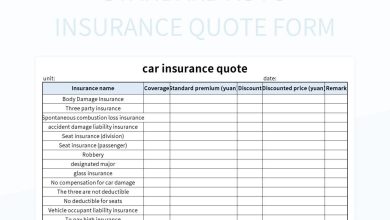
Understanding car insurance quotes is essential for anyone seeking to protect their vehicle and finances. These quotes are the foundation of the insurance process, helping consumers gauge costs and coverage options tailored to their needs. By delving into the nuances of how these quotes are generated and the factors that shape their pricing, individuals can make informed decisions that benefit their wallets and driving experience.
As we explore the various types of car insurance quotes, from instant to comprehensive, you’ll find that comparing offers from different providers can lead to substantial savings. With the rise of online tools and resources, obtaining accurate quotes has never been easier, but knowing how to navigate this process effectively is key to getting the best deal.
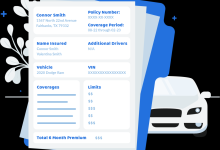


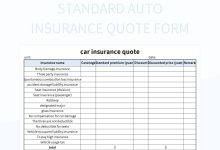
Understanding Car Insurance Quotes
Car insurance quotes are essential documents that provide potential policyholders with estimates of the cost of insurance coverage for their vehicles. Understanding these quotes is crucial for making informed decisions about which insurance policy to choose. They serve not only as a benchmark for comparison between different insurance providers but also allow consumers to tailor their coverage according to their needs and budget.Insurance companies generate car insurance quotes based on a variety of factors that assess the risk associated with insuring a vehicle and its driver.
The process typically involves collecting personal information from the applicant, including details about the vehicle, driving history, and coverage preferences. Each insurer uses its own algorithms and statistical models to evaluate this information, resulting in a unique quote that reflects the potential financial risk to the company.
Factors Influencing Car Insurance Quotes
Several key factors play a significant role in determining the pricing of car insurance quotes. Understanding these factors can help consumers make strategic choices when seeking coverage. The following points highlight the most influential elements:
- Driving Record: A driver’s history, including accidents and traffic violations, directly impacts their insurance rates. A clean driving record generally leads to lower premiums.
- Vehicle Type: The make, model, and year of the vehicle can either increase or decrease insurance costs. High-performance or luxury cars often attract higher premiums due to their increased repair costs and theft rates.
- Location: Where you live affects your insurance quote. Urban areas with higher rates of accidents and theft typically incur higher premiums than rural areas.
- Coverage Options: The amount and type of coverage chosen, such as liability, collision, and comprehensive coverage, will influence the overall cost. More extensive coverage leads to higher premiums.
- Deductible Amount: The deductible is the amount the policyholder pays out of pocket before insurance kicks in. A higher deductible usually results in lower premiums, while a lower deductible raises costs.
- Credit Score: Many insurers consider a driver’s credit history when calculating rates. A better credit score often correlates with lower insurance costs, as insurers perceive individuals with good credit as more responsible.
“The combination of these factors creates a comprehensive picture of risk that insurers use to determine premiums for car insurance quotes.”
Types of Car Insurance Quotes

When it comes to securing the right car insurance, understanding the various types of quotes available is crucial. Different quotes offer distinct coverage options, pricing structures, and benefits that can significantly impact your insurance experience and costs. By knowing these differences, you can make informed decisions that align with your needs and budget.Car insurance quotes can generally be categorized into several types, including instant quotes, comprehensive quotes, and customized quotes.
Each type serves a specific purpose and offers unique advantages and disadvantages. Below is an overview of the most common types of quotes you might encounter:
Different Types of Car Insurance Quotes
- Instant Quotes: These are generated quickly, often through online platforms. They provide a ballpark figure based on basic details such as your car model, driving history, and location. Instant quotes are useful for getting a quick idea of potential costs but may lack comprehensive coverage details.
- Comprehensive Quotes: These quotes consider various factors, including your driving habits, vehicle condition, and additional coverage options, providing a more detailed estimate. They are beneficial for individuals looking for a thorough analysis of their insurance needs but can take more time to receive.
- Customized Quotes: These are tailored specifically to your individual circumstances, often requiring a discussion with an insurance agent. They allow for a personalized approach and can include unique coverage options that may not be readily available through other quotes. The downside is that they may take longer to obtain.
Comparing different quotes is essential in finding the right insurance plan. It’s important to understand the advantages and disadvantages of using online quote tools versus speaking with an agent. Online tools provide convenience and speed, allowing users to receive multiple quotes in a short time. However, they may not capture all the nuances of your individual situation, leading to potential gaps in coverage.On the other hand, speaking with an insurance agent can provide personalized guidance and answer specific questions, ensuring that you choose the best coverage for your needs.
Agents can also help clarify policy details that may be confusing. However, this method may take longer and can sometimes result in pressure to purchase a policy.
“Comparing multiple quotes from different providers is crucial for ensuring you receive the best coverage at the most competitive price.”
The importance of comparing multiple quotes cannot be overstated. Each insurance provider has different underwriting criteria, which means that one company may offer a significantly lower rate than another for the same level of coverage. Furthermore, discounts, customer service ratings, and financial stability can vary widely among insurers. By taking the time to evaluate various quotes, you can ensure that you are not only getting a competitive rate but also securing a policy that meets your specific needs.
How to Obtain Car Insurance Quotes
Obtaining car insurance quotes is an essential step in securing the best coverage for your needs. By comparing quotes from multiple providers, you can make informed decisions about your car insurance policy, ensuring that you get both quality coverage and competitive rates. Below is a structured guide to help you through the process of requesting car insurance quotes effectively.
Step-by-Step Guide to Requesting Car Insurance Quotes
To get accurate quotes, it is crucial to understand the necessary steps involved. This ensures that you gather all the required information and make comparisons easily.
- Identify Your Coverage Needs: Determine the type of coverage you require, such as liability, comprehensive, collision, and uninsured motorist coverage. Consider factors like your driving habits, location, and the value of your vehicle.
- Gather Required Information: Before requesting quotes, collect essential information such as your driver’s license number, vehicle identification number (VIN), make and model of your vehicle, and your driving history, including any accidents or violations.
- Research Insurance Companies: Look for reputable insurance companies that offer the coverage you need. Check customer reviews and financial ratings to ensure reliability.
- Use Online Comparison Websites: Utilize online platforms that compare quotes from multiple insurance providers. These sites streamline the process and save you time.
- Request Quotes: Fill out the online forms with the gathered information. Ensure accuracy to receive reliable quotes. Many sites offer instant quotes, while others may take a few hours to respond.
- Review and Compare Quotes: Once you receive quotes, analyze them carefully. Look beyond the price and consider coverage limits, deductibles, and customer service ratings.
- Contact Agents for Clarifications: If you have questions regarding specific quotes, don’t hesitate to contact the insurance agents to clarify details before making a decision.
Information Needed for Accurate Car Insurance Quotes
Having the right information at hand is critical for obtaining accurate quotes. Providing complete and precise details ensures that you receive competitive and relevant offers.
- Personal Information: Full name, address, date of birth, and contact information.
- Vehicle Information: Make, model, year, VIN, and any modifications made to the vehicle.
- Driving History: Details about previous insurance coverage, claims history, and any traffic violations or accidents.
- Coverage Preferences: Specific types of coverage you wish to include, deductibles you are comfortable with, and any additional options like roadside assistance.
Using Online Comparison Websites for Obtaining Quotes
Online comparison websites are powerful tools that can help you access a broad spectrum of insurance quotes with ease. They simplify the process and provide useful insights into different policies.
- Ease of Use: These platforms are designed for user-friendliness, allowing you to input your information quickly and navigate various options.
- Multiple Options: You can obtain quotes from several insurers in one place, making it easy to compare rates side-by-side.
- Customization: Many comparison sites allow you to customize your quote requests based on your preferences, ensuring you get options that suit your needs.
- Helpful Tools: Utilize tools like coverage calculators and premium estimators to better understand the costs associated with different policies.
- Access to Reviews: These sites often feature customer reviews and ratings, providing insights into the customer experiences with various insurance providers.
“Gathering accurate information and leveraging online comparison tools can save you time and money in your search for car insurance.”
Factors to Consider When Comparing Quotes
When it comes to selecting the best car insurance policy, comparing quotes is a crucial step. Understanding the various elements that influence your decision can lead to significant savings and better coverage. By taking the time to evaluate key factors, you can ensure that you choose a policy that meets your needs and protects your assets effectively.Evaluating car insurance quotes involves more than just looking at the price.
You must consider aspects like coverage limits, deductibles, and the reputation of the insurance provider. Coverage limits determine the maximum amount the insurance company will pay for a claim, which can vary significantly between policies. Deductibles, on the other hand, are the out-of-pocket expenses you’ll incur before your insurance kicks in, impacting your overall costs and financial planning.
Key Elements for Evaluation
When reviewing car insurance quotes, certain elements are essential for making an informed decision. Understanding these components can help highlight the differences between policies and guide you toward the best option for your circumstances.
- Coverage Limits: Assess the minimum and maximum coverage limits offered in each quote. Higher limits provide better financial protection but may come with an increased premium.
- Deductibles: Look at the deductibles associated with each policy. A higher deductible can lower your premium, but this means more out-of-pocket expenses in the event of a claim.
- Additional Coverage Options: Check for coverage add-ons such as roadside assistance, rental car reimbursement, and comprehensive coverage. These can enhance your policy but may also increase costs.
- Discounts: Investigate available discounts for safe driving, multi-policy bundles, or affiliations that can reduce your premium without compromising coverage.
Researching the reputation and service quality of insurance providers is paramount. A well-rated company with positive customer reviews can provide peace of mind, ensuring that claims are handled efficiently and fairly. Poor customer service can lead to frustrating experiences when you need support the most.
Reputation matters; a provider’s track record can be as vital as the policy itself.
Checklist for Reviewing Quotes
Having a structured approach can simplify the process of comparing car insurance quotes. Utilize the following checklist to ensure a thorough review of each policy:
- Compare coverage limits and deductibles across all quotes.
- Assess the financial stability and customer service ratings of the insurance providers.
- Identify any relevant discounts that apply to your situation.
- Read customer reviews and ratings on third-party websites for insights into real-life experiences.
- Examine the claims process Artikeld by each insurer to understand how they handle claims.
- Ensure that the policy meets your specific driving habits and needs.
By following this checklist, consumers can navigate the complexities of car insurance more effectively, leading to better decision-making and ultimately a policy that provides the right balance of coverage and affordability.
Understanding Discounts and Savings
Car insurance quotes can often feel overwhelming, but understanding the various discounts and savings opportunities available can make a significant difference in your premium. By taking advantage of these discounts, you can tailor your insurance to fit your budget while still ensuring adequate coverage.Many insurance companies offer a range of discounts that can help lower your car insurance costs. These discounts can vary widely from one insurer to another, so it’s crucial to inquire about all the potential savings you might qualify for.
Here are some common types of discounts you should look out for:
Common Types of Discounts
Discounts can significantly reduce your overall insurance costs. Below are some frequently offered discounts and tips on how to qualify for them:
- Safe Driver Discount: This is available for drivers with a clean driving record, usually defined as having no accidents or traffic violations over a certain period, often three to five years.
- Multi-Policy Discount: Bundling your car insurance with home, renters, or other types of insurance can lead to substantial savings. Insurers typically offer a discount for customers who hold multiple policies.
- Good Student Discount: Many insurers provide discounts for full-time students who maintain a high GPA, generally a B average or higher. This encourages safe driving among young drivers.
- Low Mileage Discount: If you drive less than a certain number of miles each year, you may qualify for this discount. Insurers recognize that less driving equates to a lower risk of accidents.
- Safety Feature Discounts: Vehicles equipped with modern safety features such as anti-lock brakes, airbags, and electronic stability control can qualify for additional discounts.
Bundling Car Insurance with Other Types of Insurance
Bundling your car insurance with other insurance types is a smart way to maximize savings. Not only does this consolidate your policies for easier management, but it also typically qualifies you for a multi-policy discount. This discount can be a percentage off each policy, potentially resulting in significant annual savings.For instance, if you have both auto and home insurance with the same carrier, you may save anywhere from 5% to 25% on your premiums.
This could mean hundreds of dollars saved each year, especially for households with multiple vehicles or additional insured items such as boats or motorcycles.
Impact of Driving History and Good Student Discounts
Your driving history plays a crucial role in determining your insurance quote. A clean record with no accidents or traffic violations signals to insurers that you are a low-risk driver, which can reduce your premium. Conversely, a history of claims, speeding tickets, or accidents may lead to higher rates.Additionally, good student discounts provide a financial incentive for young drivers to maintain their academic performance while demonstrating responsible driving behavior.
For example, a student with a GPA above 3.0 could save up to 15% on their car insurance, which can be quite beneficial given the typically higher rates for young drivers.Understanding these discounts and how to qualify for them can empower you to make informed decisions when selecting your car insurance policy.
Mistakes to Avoid When Getting Quotes
When navigating the world of car insurance quotes, consumers often encounter various pitfalls that can lead to undesirable outcomes. Understanding these common mistakes is essential in securing the best coverage at the most competitive rates. By being aware of these issues, you can make informed decisions and avoid unnecessary costs.One major mistake is underestimating your coverage needs to save on quotes.
While it might be tempting to opt for the lowest premium, this decision can have significant repercussions in the event of an accident or theft. Insufficient coverage might lead to out-of-pocket expenses that far exceed the savings achieved from a lower premium. It’s crucial to evaluate your personal situation, driving habits, and the value of your vehicle to determine the right level of coverage.
Common Pitfalls in Obtaining Quotes
Several common pitfalls can lead to inadequate insurance coverage or unexpected costs. Being aware of these can help you navigate the quote process effectively:
- Failing to Compare Multiple Quotes: Relying on a single quote can leave you missing out on better deals. Always gather multiple quotes to ensure you’re getting the best value.
- Ignoring Discounts: Many insurance providers offer discounts for various reasons, such as safe driving records, bundling policies, or even being a member of certain organizations. Don’t forget to inquire about potential discounts.
- Not Disclosing Accurate Information: Providing inaccurate details about your driving history, vehicle type, or mileage can lead to higher premiums or denied claims. Always ensure the information you provide is accurate.
Avoiding Hidden Fees
Hidden fees can significantly inflate the overall cost of your insurance premium. It’s important to be vigilant and inquire about any additional charges that may not be immediately apparent. Here are some common hidden fees to look out for:
- Administrative Fees: These charges can be added for processing your policy or changes to it. Always ask if there are any administrative fees involved.
- Payment Plan Fees: Some insurers may charge fees for installment payments instead of a single annual payment. Understand these costs upfront to avoid surprises.
- Policy Endorsement Fees: Adding or modifying coverage after your policy is issued can incur additional charges. It’s wise to confirm how such changes will impact your premium.
Understanding the total cost of your car insurance, including all potential fees, ensures that you budget appropriately and avoid financial surprises.
The Role of Credit Scores in Car Insurance Quotes
Credit scores play a significant role in determining the cost of car insurance quotes. Insurance companies utilize credit scores as a factor in assessing the risk associated with insuring a driver. A higher credit score often translates to lower premiums, while a lower credit score can result in higher rates. This connection between credit scores and insurance rates may come as a surprise to many, yet it reflects the industry’s attempt to understand the likelihood of a policyholder filing a claim.Insurance companies analyze credit history as part of their risk assessment process.
They believe that individuals with better credit histories are generally more responsible and, therefore, less likely to file claims. This correlation has been supported by various studies showing a direct relationship between credit scores and the frequency of insurance claims. In fact, a study from the Federal Trade Commission revealed that individuals with poor credit are statistically more likely to experience losses, which justifies the use of credit scores in determining insurance premiums.
Strategies for Improving Credit Scores
To enhance their chances of obtaining better car insurance quotes, consumers can take proactive measures to improve their credit scores. Here are some effective strategies:
- Regularly check your credit report: Obtain free copies of your credit report from the three major reporting agencies—Experian, Equifax, and TransUnion. Review for inaccuracies or discrepancies that could negatively affect your score.
- Pay bills on time: Timely payments on credit cards, loans, and other bills contribute positively to your credit history. Setting up automatic payments can help ensure consistency.
- Reduce outstanding debt: Focus on paying down high credit card balances and loans. Lowering your debt-to-income ratio can significantly improve your credit score.
- Avoid opening new credit accounts unnecessarily: Each application for new credit can result in a hard inquiry, which may temporarily lower your credit score. Limit new credit applications to maintain a stable score.
- Keep old accounts open: Length of credit history is a factor in scoring. Older accounts can improve your average account age, positively impacting your credit score.
By implementing these strategies, consumers not only improve their credit scores but also enhance their negotiating power when seeking car insurance quotes, leading to potentially substantial savings on premiums.

Hi, I’m Lauren. As a digital enthusiast and storyteller, I love breaking down complex ideas into easy-to-read articles. My goal is to provide readers with fresh perspectives and helpful solutions through every piece I write.