Insurance quotes are essential tools that help consumers navigate the often complex world of insurance. They provide a clear picture of potential costs and coverage options, allowing individuals to make informed decisions about their insurance needs. As we delve into the nuances of insurance quotes, you’ll discover their significance in the industry, how they are generated, and the various factors that influence their pricing.
From understanding the different types of insurance quotes available to learning how to effectively compare them, this guide will equip you with the knowledge you need to find the best options for your unique situation. Whether it’s auto, home, health, or life insurance, grasping the intricacies of quotes can ultimately lead to smarter financial choices.


Understanding Insurance Quotes
Insurance quotes represent estimates provided by insurance companies detailing how much a policyholder will pay for coverage. These quotes are essential in the insurance industry as they help consumers compare different policies and prices, allowing them to make informed decisions about their coverage options. Understanding the intricacies of insurance quotes can empower individuals to select the best policy that fits their needs and budget.The generation of insurance quotes involves a systematic approach where various data points are considered to determine the potential risk associated with insuring an individual or entity.
Insurance companies utilize sophisticated algorithms and underwriting guidelines to analyze the information provided by the applicant, which typically includes personal details, coverage requirements, and claims history. Once this data is assessed, the insurer calculates the premium based on factors like risk exposure and market conditions.
Factors Influencing Insurance Quotes
Understanding the key factors that influence insurance quotes is crucial for consumers seeking the best coverage at an affordable price. Several elements play a significant role in determining the cost of insurance quotes, which can be categorized into the following:
1. Personal Information
The applicant’s age, gender, marital status, and location play critical roles in assessing risk. For instance, younger drivers often face higher auto insurance quotes due to inexperience.
2. Coverage Type and Amount
The specific coverage options chosen, such as liability, collision, or comprehensive for auto insurance, will directly impact the quote. Higher coverage limits typically result in higher premiums.
3. Claims History
A record of past claims can lead to increased premiums. Insurance companies view frequent claims as a higher risk indicator, resulting in elevated costs for coverage.
4. Credit Score
Many insurers evaluate credit history, linking a higher credit score to lower risk. Individuals with better credit ratings often receive more favorable quotes.
5. Vehicle or Property Value
For auto insurance, the make and model of the vehicle can significantly affect the quote. Luxury or high-performance vehicles usually incur higher premiums due to their repair costs and theft risk.
6. Deductibles
The amount a policyholder is willing to pay out-of-pocket before insurance kicks in can influence premiums. Higher deductibles often lead to lower monthly rates.
7. Market Trends and Regulations
Economic conditions, changes in regulations, and competitive pricing in the insurance market can also affect how quotes are generated and the premiums charged.
“Insurance quotes are not merely numbers; they reflect the perceived risk and potential liability that an insurer associates with providing coverage.”
The interplay of these factors is dynamic, and potential policyholders should reassess their quotes periodically, especially when significant life changes occur, or if they have improved their risk profile. Understanding these elements can aid individuals in negotiating better premiums and making informed choices regarding their insurance needs.
Types of Insurance Quotes
When it comes to securing insurance coverage, understanding the various types of insurance quotes available is essential. Each type of insurance serves a unique purpose and comes with its own set of considerations. In this segment, we will explore the different types of insurance quotes, how they are obtained, and the benefits and drawbacks associated with each.
Types of Insurance Quotes
There are several types of insurance quotes that individuals and businesses may seek based on their needs. Here’s a comprehensive list of the most common types:
- Auto Insurance Quotes
- Homeowners Insurance Quotes
- Renters Insurance Quotes
- Health Insurance Quotes
- Life Insurance Quotes
- Travel Insurance Quotes
- Business Insurance Quotes
Understanding these different quotes helps customers identify the coverage that best fits their lifestyle or business requirements.
Differences Between Online Quotes and Agent Obtained Quotes
The method by which an insurance quote is obtained can significantly impact the experience and the eventual policy selection. Below are the distinctions between online quotes and those acquired through agents:
- Online Quotes: Typically quicker to obtain, these quotes are generated through online calculators based on the information provided by the user.
- Agent Obtained Quotes: Involves direct interaction with an insurance agent who can provide personalized advice and tailored quotes based on the individual’s specific needs.
Online quotes offer the convenience of instant access, while agent quotes provide an opportunity for in-depth discussions regarding coverage options and potential discounts.
Benefits and Drawbacks of Each Type of Insurance Quote
Understanding the advantages and disadvantages of both online quotes and those from agents can aid in making an informed decision.
Online Quotes
Online quotes are characterized by speed and convenience.
- Benefits:
- Quick access to multiple quotes from various insurers.
- The ability to compare rates easily without pressure.
- Access to various tools and resources for self-education.
- Drawbacks:
- Lack of personalized advice and tailored coverage recommendations.
- Potential misinformation if inaccurate details are entered.
- May not include all available discounts or policy options.
Agent Obtained Quotes
Agent quotes provide personalized service and expert guidance.
- Benefits:
- Personalized service with the ability to ask questions directly.
- Expert guidance in understanding complex policies and coverage.
- Potentially better access to discounts or bundles that may not be available online.
- Drawbacks:
- Time-consuming process compared to obtaining online quotes.
- May result in pressure to purchase a policy or upsell additional coverage.
- Limited access to quotes if the agent only represents a few insurers.
How to Obtain Insurance Quotes
Obtaining insurance quotes is an essential step in finding the best coverage for your needs at a competitive price. By reaching out to various insurance providers, you can compare different options and select the policy that best fits your requirements. This process can be simplified and made more efficient through online tools and platforms designed to streamline quote generation and comparison.
Process of Obtaining Insurance Quotes
The process involves several steps that ensure you gather accurate and relevant information from multiple providers. Engaging with this process allows you to evaluate the coverage options available to you.
- Identify Your Insurance Needs: Determine the type of insurance you need, such as auto, home, or health, and assess the level of coverage you’re looking for.
- Research Insurance Providers: Compile a list of reputable insurers known for the type of insurance you’re interested in. Look for customer reviews and ratings to gauge their service quality.
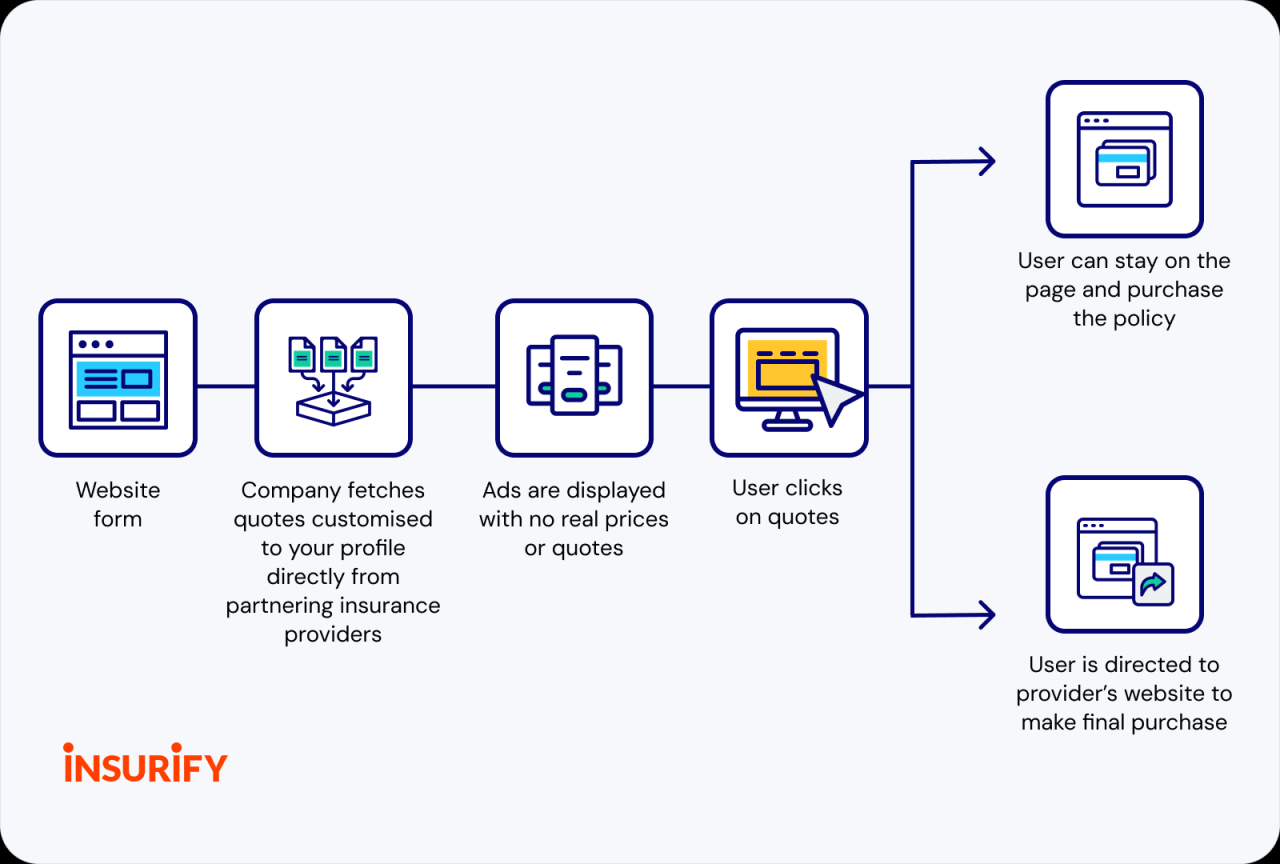
- Use Online Tools: Leverage online insurance comparison tools that allow you to input your details and receive quotes from multiple providers simultaneously.
- Gather Required Information: Have personal information, policy details, and relevant documentation ready for input to get accurate quotes.
- Request Quotes: Enter your information into the comparison tools to generate quotes from selected insurance providers.
- Review the Quotes: Compare coverage options, premiums, deductibles, and any additional features or discounts offered in each quote.
- Contact Providers: If needed, reach out to insurance agents for clarification on quotes or policy details.
- Make Your Decision: Choose the insurance policy that offers the best value for your needs based on your research and comparisons.
Using Online Tools for Quote Generation
Online platforms can significantly ease the process of obtaining insurance quotes. These tools are designed to gather your information and present you with multiple options quickly.
Online quote comparison tools provide a user-friendly interface to access multiple insurance providers.
Begin by navigating to a reputable insurance comparison website. These platforms typically allow you to filter and customize your search based on specific criteria:
- Input Your Information: Fill out the required fields, including personal details, coverage type, and specific preferences.
- Compare Quotes: Review the presented quotes side by side to evaluate various options.
- Use Filters: Utilize filters to sort quotes by price, coverage limits, or provider ratings.
- Save Your Information: Many platforms allow you to create an account to save your searches and access quotes later.
Comparison Table for Evaluating Quotes
Creating a comparison table can help you visualize the differences between insurance quotes effectively. Below is an example of how to structure your table:
| Insurance Provider | Monthly Premium | Coverage Type | Deductible | Customer Rating |
|---|---|---|---|---|
| Provider A | $100 | Comprehensive | $500 | 4.5/5 |
| Provider B | $90 | Basic | $750 | 4.0/5 |
| Provider C | $110 | Premium | $300 | 4.8/5 |
This table format provides a clear visual representation of different quotes, allowing you to assess which provider offers the best combination of price and coverage based on your requirements.
Factors Affecting Insurance Quotes
When it comes to insurance quotes, various factors can influence the premium you are offered. Understanding these factors can help you make informed decisions and potentially save money. Personal details like age, location, and driving history play significant roles, along with external elements like market trends and economic conditions. Insurance companies use specific criteria to assess risk, which directly impacts the quotes provided to individuals.
Personal Factors Influencing Insurance Quotes
Several personal characteristics can directly affect the insurance premium you receive. These include:
- Age: Younger drivers, particularly those under 25, often face higher premiums due to a lack of driving experience and statistically higher accident rates. Conversely, older, more experienced drivers may benefit from lower rates.
- Location: Where you live significantly impacts your insurance costs. Urban areas with higher traffic and crime rates usually lead to higher premiums compared to rural areas. For instance, living in a city like New York can result in substantially higher costs compared to living in a small town.
- Driving Record: A clean driving record with no accidents or traffic violations will generally result in lower premiums. On the other hand, a history of accidents or infractions can lead to increased rates, reflecting the higher risk associated with such behaviors.
External Factors Influencing Insurance Quotes
Market trends and economic conditions can also have a substantial impact on insurance quotes. These factors often reflect broader shifts in the insurance industry and economy:
- Market Trends: Insurance companies frequently adjust their pricing based on competitive pressures and trends within the industry. For example, if many insurers lower rates to attract customers, others may follow suit to remain competitive.
- Economic Conditions: Inflation and economic downturns can influence the cost of claims, which in turn affects premium pricing. In times of economic struggle, insurers may increase rates to cover rising costs or may implement stricter underwriting guidelines.
Risk Assessment by Insurance Companies
Insurance companies employ various methods to assess risk, which is a critical component in determining quotes. This process includes statistical analysis and data collection to predict the likelihood of a claim being made.
- Data Analysis: Insurers analyze historical data related to claims and losses to evaluate potential risks associated with specific demographics. This may include trends observed within certain age groups, geographical locations, or vehicle types.
- Credit History: Many insurers utilize credit scores as a factor in assessing risk. Research has indicated that individuals with better credit histories tend to file fewer claims, leading to lower premiums.
- Type of Coverage Selected: The level of coverage you choose—such as liability, comprehensive, or collision—will affect your premium. Higher coverage limits or lower deductibles typically lead to higher costs, reflecting the increased risk for the insurer.
“Insurance quotes are not set in stone; they are influenced by a variety of personal and external factors that reflect individual circumstances and market conditions.”
Comparing Insurance Quotes
When it comes to choosing the right insurance policy, comparing quotes is essential to find the best coverage at the right price. Understanding the differences between various offers can help consumers make informed decisions. An effective comparison method will not only save money but also ensure that the chosen policy meets specific needs and requirements.To effectively compare multiple insurance quotes, it’s important to have a structured approach.
Start by gathering a variety of quotes from different providers, ensuring that you’re looking at similar coverage levels and limits. This allows for an apples-to-apples comparison and helps to identify the best deals.
Evaluation Checklist for Insurance Quotes
Using a checklist can simplify the evaluation process and ensure that you consider all critical aspects of each quote. Here’s a reliable checklist to assist in your evaluations:
- Coverage Amount: Confirm that the coverage limits meet your needs.
- Premium Costs: Compare the monthly or annual premiums against your budget.
- Deductibles: Check the deductibles; a higher deductible often means lower premiums but can lead to out-of-pocket expenses during a claim.
- Exclusions: Review the exclusions in each policy to understand what is not covered.
- Claims Process: Investigate how easy it is to file a claim and the company’s reputation for handling them.
- Customer Reviews: Look into customer reviews to gauge overall satisfaction with the insurer.
Each item on this checklist plays a crucial role in determining the overall value of the insurance policy. By prioritizing your needs, you can better assess which quotes align with your expectations.
Analyzing the Fine Print of Insurance Quotes
The fine print can often contain critical nuances that may significantly impact your insurance experience. Key aspects to focus on include:
- Policy Terms: Familiarize yourself with the duration of coverage and renewal policies.
- Cancellation Policy: Understand the terms regarding cancellation to avoid unexpected fees.
- Limits of Liability: Review any limits on liability coverage that may restrict your protection.
- Optional Coverages: Identify any optional coverages that may enhance your policy but come at an additional cost.
- Adjustments to Premiums: Be aware of any conditions that may trigger premium increases in the future.
Understanding the fine print is essential to avoid surprises when making a claim or needing to use your coverage.
By closely inspecting these details, consumers can ensure they select a policy that truly meets their needs and avoids any hidden pitfalls. This comprehensive approach to comparing insurance quotes can lead to more satisfactory outcomes in your insurance journey.
Common Myths About Insurance Quotes
Many individuals seeking insurance quotes often fall prey to widespread misconceptions that can lead to poor decision-making. Understanding these myths is crucial for anyone looking to secure the right coverage at a reasonable price. The landscape of insurance is filled with complexities, and a clear understanding can help navigate through them effectively.One prevalent myth is that the lowest insurance quote always provides the best value.
This misconception can lead consumers to choose policies based solely on price rather than the coverage they actually need. In reality, low-cost quotes may come with significant limitations that leave individuals underinsured. It’s essential to weigh the benefits of comprehensive coverage against the temptation of seemingly attractive low prices.
Reality of Low-Cost Quotes Versus Comprehensive Coverage
When considering insurance quotes, it’s important to recognize the trade-offs involved in selecting lower-cost options. While a budget-friendly quote might seem appealing, it may not offer adequate protection against unforeseen events.
- Basic Coverage Limitations: Many low-cost policies only cover essential liabilities, leaving out critical areas of protection like comprehensive or collision coverage for vehicles. This could result in significant out-of-pocket expenses during accidents.
- Higher Deductibles: Cheaper quotes often come with higher deductibles, which means that you will pay more out of pocket before the insurance kicks in. This can be financially burdensome in the event of a claim.
- Inadequate Support Services: Insurers offering lower rates may cut back on customer service capabilities, leading to longer wait times and less support during claims processes.
- Policy Exclusions: Low-cost policies may include numerous exclusions that limit coverage in common scenarios, such as natural disasters or specific types of damage.
Potential Pitfalls of Choosing Insurance Solely Based on Price
Focusing exclusively on price when selecting insurance can lead to several significant pitfalls. These risks can impact financial stability and peace of mind.
- Underinsurance: Individuals may find themselves inadequately covered, exposing themselves to liability and financial stress. For example, a renter opting for the cheapest policy might miss out on coverage for theft, resulting in substantial losses.
- Claim Denials: Policies with lower premiums can come with strict terms that might lead to denials during the claims process, particularly if the coverage does not match the insured’s needs.
- Long-Term Costs: Initially saving money on lower premiums can lead to higher long-term costs due to frequent out-of-pockets, especially if claims become necessary.
- Limited Network of Providers: Some low-cost plans may restrict the network of available healthcare providers or repair shops, limiting choice for policyholders when they need services the most.
“Choosing insurance based solely on price can result in inadequate protection and unexpected financial burdens.”
How to Interpret Insurance Quotes
Understanding insurance quotes can be complex, but breaking down the terminology and structure can simplify the process. This guide will help you navigate through quotes, enabling better informed decisions when selecting insurance policies.Familiarizing yourself with the common terminology used in insurance quotes is essential for grasping the overall picture. Key terms such as premium, deductible, coverage limit, and exclusions often appear in quotes and understanding these can help clarify what is being offered.
Common Terminology in Insurance Quotes
Insurance quotes typically include several important terms that define the scope and cost of coverage. Recognizing these terms will assist consumers in evaluating different insurance options effectively.
- Premium: The amount you pay for your insurance policy, typically on a monthly or annual basis. It is essential to compare premiums across different quotes to assess affordability.
- Deductible: The amount you must pay out of pocket before your insurance starts covering claims. A higher deductible often leads to lower premium costs but more financial responsibility in the event of a claim.
- Coverage Limit: The maximum amount your insurance company will pay for a covered loss. Understanding this limit is crucial to ensure adequate protection.
- Exclusions: Specific conditions or circumstances that are not covered by the policy. Being aware of exclusions helps in understanding what you might need additional coverage for.
- Riders: Additional options or endorsements that can be added to a policy for increased coverage. Riders may provide enhancements to base policies for specific needs.
Breakdown of an Insurance Quote
An insurance quote is typically divided into several sections, each providing distinct information about the policy. Recognizing the purpose of each section can aid in making comparisons between different quotes.
- Personal Information: This section contains your details, including name, address, and any other relevant information that affects premium calculations.
- Coverage Details: Describes the type and extent of coverage provided by the policy, detailing what is included and any limits.
- Cost Breakdown: This area Artikels the total premium, deductible amounts, and any additional fees. It is important to scrutinize this section to understand the overall financial commitment.
- Policy Terms: This Artikels the duration of coverage and the conditions under which the policy remains valid.
- Contact Information: Provides details on how to reach the insurance company for inquiries or claims, ensuring you know who to contact for assistance.
Visual Guide to Navigating Insurance Quotes
A visual guide can significantly simplify the understanding of insurance quotes. Imagine a flowchart that begins with the premium at the top, branching out into several paths. Each path represents different factors influencing the premium, such as age, location, and type of coverage selected. Below the premium, a box could illustrate the deductible, showing how higher deductibles can lower premiums.In addition, a side-by-side comparison table could display quotes from different insurers, highlighting key differences in coverage limits, deductibles, and exclusions.
This format allows consumers to visualize and compare their options at a glance.
“Understanding your insurance quote is the first step towards making the right choice for your coverage needs.”
The Role of Technology in Insurance Quotes
The landscape of insurance quotes has dramatically shifted with the advent of technology. This transformation not only streamlines the process of obtaining quotes but also enhances the accuracy and personalization of the coverage options available to consumers. The integration of technological advancements into the insurance industry has made it more accessible and user-friendly, catering to a wider audience in today’s fast-paced digital world.
Innovative tools and platforms have emerged to facilitate the generation and acquisition of insurance quotes. These technologies leverage data analysis, machine learning, and user-friendly interfaces to provide faster and more relevant options to users. This evolution underscores the significant role that technology plays in the modern insurance market, making it more efficient and tailored to individual needs.
Examples of Innovative Tools and Platforms
A variety of platforms have been developed to enhance the quote generation experience. These tools utilize algorithms and extensive databases to deliver accurate insurance quotes in real-time. Key examples include:
- Comparison Websites: Websites like Policygenius and Insurify allow users to compare multiple insurance quotes from various providers in one place, simplifying choice.
- Mobile Apps: Apps such as Lemonade provide a seamless user experience where customers can obtain quotes and purchase policies directly from their smartphones.
- Chatbots and Virtual Assistants: Many insurance companies now employ AI-driven chatbots to assist users in navigating their options and obtaining personalized quotes efficiently.
The impact of these innovative platforms is profound; they not only save time but also empower consumers to make informed decisions based on comprehensive comparisons.
Impact of Artificial Intelligence on Insurance Quotes
Artificial intelligence (AI) plays a pivotal role in enhancing the accuracy and personalization of insurance quotes. By analyzing vast amounts of data, AI algorithms can predict risk factors more effectively and tailor quotes accordingly. The use of AI leads to several notable benefits:
- Enhanced Data Analysis: AI analyzes historical data to identify patterns that may affect an individual’s risk profile, resulting in more accurate quotes.
- Personalized Recommendations: By assessing user data, AI can suggest policies that best fit an individual’s needs, ensuring a more relevant quote.
- Speed and Efficiency: AI-driven tools can process requests and generate quotes in seconds, significantly reducing the time consumers spend waiting for responses.
The integration of AI not only improves the efficiency of the quoting process but also enhances the overall customer experience, allowing for a more tailored approach to insurance coverage. As technology continues to evolve, its role in the insurance industry is likely to grow, further revolutionizing how quotes are generated and obtained.

Hi, I’m Lauren. As a digital enthusiast and storyteller, I love breaking down complex ideas into easy-to-read articles. My goal is to provide readers with fresh perspectives and helpful solutions through every piece I write.