Car insurance is an essential safeguard for every driver, providing financial protection against the unexpected twists and turns of the road. Understanding its importance goes beyond merely fulfilling legal requirements; it ensures that you are covered in case of accidents, theft, or damages. With various types of coverage available, from liability to comprehensive options, navigating the world of car insurance can feel overwhelming but is crucial for your peace of mind.
As you explore the different facets of car insurance, it’s important to consider how factors like driving history, vehicle type, and even credit scores can influence your premiums. This guide aims to demystify the complexities of car insurance, empowering you to make informed decisions that best suit your needs and budget.

Introduction to Car Insurance
Car insurance serves as a crucial financial safety net for vehicle owners. It protects against the financial impacts of accidents, theft, and other vehicle-related incidents. By obtaining car insurance, drivers can ensure that they are covered for damages or injuries that may occur, providing peace of mind whether they are on the road or parked at home.Car insurance is not just important for individual drivers; it also plays a significant role in promoting road safety and accountability.
This is because having insurance often motivates drivers to practice safer driving habits, knowing they are protected in the event of an accident. Various types of car insurance coverage exist, each catering to different needs and circumstances. Understanding these types is essential for making informed decisions about coverage.
Different Types of Car Insurance Coverage
There are several types of car insurance coverage available that cater to varying needs. Each type serves a specific purpose, allowing drivers to tailor their coverage according to their circumstances.
- Liability Coverage: This is the most basic form of car insurance required in many regions. It covers bodily injury and property damage to others if you’re at fault in an accident. For instance, if you accidentally collide with another vehicle and cause damages, liability coverage will help pay for the other driver’s repairs and medical costs.
- Collision Coverage: This type of insurance covers damage to your own vehicle resulting from a collision with another vehicle or object, regardless of fault. For example, if you back into a pole, collision coverage will help pay for the repairs.
- Comprehensive Coverage: This provides protection against damages to your vehicle not involving a collision, such as theft, vandalism, or natural disasters. If a tree falls on your parked car during a storm, comprehensive coverage would cover the repair costs.
- Personal Injury Protection (PIP): PIP covers medical expenses for you and your passengers, regardless of fault. This can include hospital bills, rehabilitation, and even lost wages due to an accident.
- Uninsured/Underinsured Motorist Coverage: This protects you if you are involved in an accident with a driver who doesn’t have insurance or whose insurance is insufficient to cover the damages. For instance, if you are hit by a driver without insurance, this coverage ensures you can recover your costs.
Legal Requirements for Car Insurance
The legal requirements for car insurance can vary significantly depending on the region. Understanding these laws is essential for compliance and protection.In many states in the U.S., liability insurance is mandatory. This requirement often includes minimum coverage limits that drivers must maintain. For example, some states may require at least $25,000 in bodily injury coverage per person and $50,000 per accident.
On the other hand, several countries have their specific regulations; for instance, in Canada, each province has its own requirements regarding the types and amounts of insurance drivers must carry.
“In regions where insurance is mandatory, failing to maintain an active policy can lead to fines, license suspension, and increased liability for drivers.”
Moreover, some regions may offer a no-fault insurance system, where each driver’s insurance covers their own damages regardless of who caused the accident. This can streamline claims processes but may also limit the ability to sue for damages.Understanding these legal aspects and types of coverage can empower drivers to make informed decisions, ensuring they are adequately protected while complying with local laws.
Factors Affecting Car Insurance Premiums
Car insurance premiums can vary significantly based on a variety of factors. Understanding these factors is essential for consumers, as they can directly influence the cost of coverage. By being aware of how these elements interact, individuals can make informed decisions and potentially save on their insurance costs.One of the major considerations in determining car insurance rates is the driver’s profile, which includes their driving history, the type of vehicle they drive, and other personal details.
Insurance companies analyze data to assess risk and set premiums accordingly. Certain characteristics may indicate a higher likelihood of claims, leading to increased premiums.
Driving History Impact on Insurance Costs
A driver’s history is a critical determinant of car insurance premiums. Insurers look at factors such as past accidents, traffic violations, and claims history to assess risk levels associated with each driver.
- Accidents: Having a history of accidents can lead to higher premiums, as it indicates a potential pattern of risky driving behavior. For example, drivers with multiple at-fault accidents may face significantly higher rates compared to those with a clean record.
- Traffic Violations: Minor infractions such as speeding tickets can also raise insurance costs. Drivers who accumulate points on their license may see premium increases, reflecting their higher risk profile.
- Claims History: Frequent claims, even if they are for minor damages, can signal to insurers that a driver is more likely to file future claims, thus increasing their premiums.
Vehicle Make and Model Role in Premium Determination
The make and model of a vehicle are crucial in calculating insurance premiums. Certain vehicles are statistically more likely to be involved in accidents or stolen, affecting their insurance costs.
- Safety Features: Vehicles equipped with advanced safety features, such as anti-lock brakes and driver assistance systems, often enjoy lower premiums due to reduced risk of accidents.
- Repair Costs: Luxury cars or models with high repair costs typically incur higher premiums. For instance, sports cars are often associated with higher speeds and accident rates, leading to elevated insurance costs.
- Popularity and Theft Rates: Certain makes and models are more appealing to thieves. Insurance rates may be higher for these vehicles due to the increased likelihood of theft. For example, SUVs and trucks can be targets because of their resale value and demand.
Types of Car Insurance Coverage
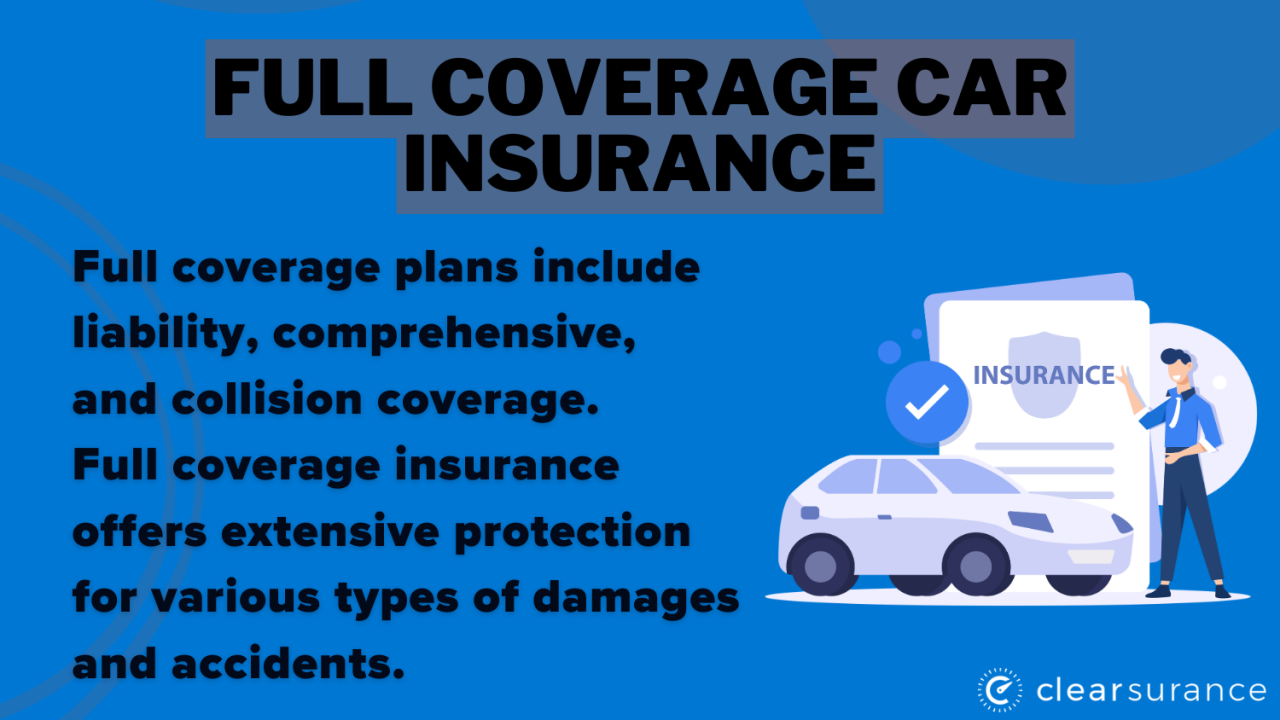
Car insurance is essential for protecting you and your vehicle against unforeseen circumstances on the road. Understanding the various types of car insurance coverage ensures you make informed decisions that best suit your driving needs and financial situation. Each type of coverage offers unique benefits and has different implications for your policy costs and protection level.
Liability Coverage
Liability coverage is fundamental in car insurance, as it helps cover the costs resulting from injuries or damages you cause to others in an accident. This type of coverage is mandatory in most states and typically includes two components: bodily injury liability and property damage liability.
- Bodily Injury Liability: This pays for medical expenses and lost wages for the other driver and passengers if you are at fault in an accident.
- Property Damage Liability: This covers damage to another person’s vehicle or property that you are responsible for in an accident.
Collision Coverage
Collision coverage is an optional type of insurance that helps pay for repairs to your vehicle after an accident, regardless of who is at fault. This coverage applies to incidents involving collisions with other vehicles or objects, such as guardrails or trees. If your car is deemed a total loss, collision coverage can also help you recover the actual cash value of your vehicle at the time of the accident.
Comprehensive Coverage
Comprehensive coverage protects against non-collision-related incidents that can damage your vehicle. This includes theft, vandalism, natural disasters, and animal collisions. Comprehensive coverage is particularly beneficial for those living in areas prone to severe weather or for owners of high-value vehicles, as it ensures a broader safety net for potential losses.
Uninsured and Underinsured Motorist Coverage
Uninsured and underinsured motorist coverage provides additional protection when you are involved in an accident with a driver who lacks sufficient insurance coverage or has no insurance at all.
- Uninsured Motorist Coverage: This covers your medical expenses and damages when you are hit by a driver who does not have insurance.
- Underinsured Motorist Coverage: This applies when the at-fault driver has insurance, but their coverage limits are insufficient to cover your damages.
Full Coverage Versus Minimum Coverage
When selecting car insurance, understanding the difference between full coverage and minimum coverage is crucial.
- Full Coverage: Typically includes liability, collision, and comprehensive coverage. This type of policy is recommended for newer or high-value vehicles, as it provides extensive protection against a variety of risks.
- Minimum Coverage: Consists of only the mandatory liability coverage required by law. While it is cheaper, it may leave you vulnerable to significant out-of-pocket expenses in case of an accident or damage to your vehicle.
Choosing the right level of coverage can save you from costly repairs and medical expenses in the long run.
How to Choose the Right Car Insurance Policy
Choosing the right car insurance policy can feel overwhelming given the myriad of options available. However, making an informed decision can lead to significant savings and peace of mind. Understanding the specifics about coverage, costs, and provider reliability is crucial.When evaluating different car insurance providers, it’s essential to have a systematic approach. Below is a checklist that highlights the key factors to consider, which can help streamline your comparison process.
Checklist for Evaluating Different Car Insurance Providers
This checklist serves as a guide to ensure you evaluate all relevant aspects when selecting a car insurance provider. It can help you make a well-informed choice that aligns with your individual needs.
- Assess the coverage options: Look for policies that offer comprehensive coverage including liability, collision, and uninsured motorist protection.
- Review customer service ratings: Research the provider’s reputation through customer reviews and ratings on platforms like J.D. Power and Consumer Reports.
- Examine financial stability: Check the insurer’s financial strength ratings from agencies like A.M. Best or Moody’s to ensure they can pay claims.
- Understand the policy exclusions: Familiarize yourself with what is not covered by the policy, which can protect you from unpleasant surprises.
- Evaluate premium costs: Compare the premiums of similar coverage levels across different providers to ensure you’re getting a competitive rate.
- Look for discounts: Inquire about available discounts for safe driving, bundling policies, or membership in certain organizations.
Understanding Policy Exclusions and Limits
A clear comprehension of policy exclusions and limits is vital in ensuring that you are adequately protected. Exclusions refer to specific situations or conditions that are not covered under the policy, while limits denote the maximum amount an insurer will pay for covered losses.
“Understanding your policy’s limitations can prevent unexpected out-of-pocket costs.”
Many car insurance policies have common exclusions such as:
- Driving without a valid license
- Vehicle use for commercial purposes
- Intentional damage or illegal activities
- Driving under the influence of drugs or alcohol
By being aware of these exclusions, policyholders can make better decisions regarding additional coverage, such as comprehensive or collision insurance.
Comparing Quotes from Multiple Insurance Companies
Obtaining quotes from various insurance companies is essential for finding the best deal. This process allows you to see how different insurers price their coverage and what they offer.Start by gathering quotes from at least three to five providers to ensure a diverse comparison. Factors to consider while comparing include:
- Coverage limits and types
- Deductibles and how they affect premium costs
- Additional features, such as roadside assistance or rental car reimbursement
It’s also advisable to evaluate the customer service experience during the quote process, as this can be indicative of future interactions should you need to file a claim.
“A small difference in premium can lead to significantly different coverage and service experiences.”
Armed with this information, you’ll be better equipped to make a choice that not only fits your budget but also meets your coverage needs.
The Claims Process in Car Insurance
Filing a car insurance claim can often seem daunting, but understanding the process can make it much easier. Whether you’re dealing with a minor accident or a more significant incident, knowing the steps to take and the necessary documentation can help ensure a smooth experience. This section will guide you through the essential steps involved in filing a car insurance claim, the documentation you’ll need, and the common reasons why claims might be denied.
Steps to Take When Filing a Car Insurance Claim
Initiating a claim is your first step toward getting the compensation you need. Here’s a straightforward breakdown of the steps you should follow:
- Report the Incident: As soon as it is safe, notify your insurance company about the accident. Most insurers have a dedicated claims hotline available 24/7.
- Document the Scene: Take clear photographs of the damages, the accident scene, and any other relevant details. This evidence will support your claim.
- Collect Information: Exchange details with the other party involved, including names, contact information, insurance details, and vehicle information.
- File the Claim: Fill out your insurer’s claim form accurately, detailing the incident and providing the necessary documentation.
- Follow Up: Keep in touch with your insurance adjuster to track the progress of your claim and provide any additional information as requested.
Necessary Documentation to Support a Claim
Having the right documents is crucial for a successful claim. Here’s a list of essential documentation that will support your case:
Complete and accurate documentation can significantly speed up the claims process.
- Police Report: If applicable, this official document provides an unbiased account of the incident.
- Photos: Visual evidence of the damages, vehicles involved, and the scene help substantiate your claim.
- Witness Statements: If there were witnesses, collecting their contact information and statements can be beneficial.
- Insurance Information: Provide details of all involved insurance policies, including yours and the other party’s.
- Medical Records: If injuries occurred, include medical reports and bills to support claims for medical expenses.
Common Reasons for Claims Being Denied
Understanding why claims may be denied can help you avoid pitfalls. Here are frequent reasons for claim denials:
Being informed about these factors can help ensure your claim does not face unnecessary delays.
- Policy Exclusions: Certain incidents may not be covered under your policy, such as driving without a valid license or using the vehicle for business purposes without proper coverage.
- Insufficient Documentation: Failing to provide necessary evidence or missing deadlines can lead to denial.
- Late Reporting: Not notifying your insurer promptly after the incident can raise red flags.
- Fault Determination: If the insurer determines you were at fault, they may deny your claim or pay only a portion of damages.
- Fraudulent Claims: Any suspicion of fraud, such as exaggerating damages or staging an accident, can result in immediate denial and potential legal repercussions.
Discounts and Savings on Car Insurance
Finding the right car insurance policy can often feel overwhelming, especially when factoring in costs. However, many car insurance companies offer a variety of discounts that can significantly reduce your premium. Understanding these discounts and how to take advantage of them is key to saving money while ensuring you have the right coverage.Car insurance discounts can vary widely from one insurer to another.
It’s important to not only be aware of these discounts but to also consider your own circumstances to maximize your savings. Below are some common types of discounts that many car insurance companies offer.
Types of Discounts Offered by Car Insurance Companies
Insurance providers typically offer several discounts that policyholders may be eligible for. These discounts are often based on personal circumstances, driving records, or affiliations. Here are some of the most frequently encountered discounts:
- Safe Driver Discount: Awarded to drivers with a clean driving record, typically over a specific period.
- Multi-Policy Discount: Available to customers who bundle multiple insurance policies, such as home and auto insurance.
- Good Student Discount: Offered to students who maintain a certain GPA, indicating responsible behavior.
- Low Mileage Discount: For drivers who use their vehicles infrequently, thereby reducing risk.
- Military Discount: Special rates for active and retired military personnel and their families.
- Occupational Discount: Discounts for professionals in certain fields, such as educators or healthcare workers.
Each discount can contribute to lowering your premium, so it’s worthwhile to discuss eligibility with your insurance agent.
Maximizing Discounts Based on Personal Circumstances
Understanding your personal situation can be instrumental in maximizing the savings available to you. Assessing factors such as your age, driving habits, and affiliations can lead to significant reductions in your car insurance premium. Here are some strategies for maximizing discounts effectively:
- Review Your Driving Record: Ensure it is free from accidents or violations. Regularly check your driving history to maintain your eligibility for safe driver discounts.
- Evaluate Your Coverage Needs: If you drive less than average, consider opting for a low-mileage policy to take advantage of available discounts.
- Maintain Good Grades: If you’re a student, keeping your GPA up can lead to a good student discount that can save you money.
- Bundling Policies: Explore bundling options. Having both auto and home insurance with the same provider often translates to substantial discounts.
- Inquire About Affiliation Discounts: Check if you belong to any professional organizations, alumni groups, or memberships that could offer additional discounts.
Implementing these strategies can lead to more savings than you might initially expect.
Bundling Insurance Policies for Savings
Bundling insurance policies is one of the most effective methods to save on premiums. When you combine multiple types of insurance—such as auto, home, or renters insurance—into one package with a single insurer, you can often secure a multi-policy discount. This practice not only simplifies your insurance management but can also provide significant financial benefits.The savings from bundling can vary based on the insurance company, but it’s common to see discounts ranging from 10% to 25% off your total premium.
For instance, if your auto insurance premium is $1,200 annually and your home insurance is $800, bundling them together with discounts could potentially lower your total to $1,600 instead of paying $2,000 separately.In summary, being proactive about understanding available discounts and investigating bundling options can lead to considerable savings on your car insurance. Take the time to evaluate your personal circumstances and explore how to make them work for you in reducing your insurance costs.
The Role of Credit Scores in Car Insurance
Credit scores are more than just numbers that represent an individual’s creditworthiness; they play a significant role in determining car insurance rates. Insurers utilize credit scores as a key factor in assessing the risk of insuring a driver. A higher credit score often correlates with lower insurance premiums, while a lower score may lead to increased costs. This relationship between credit and insurance rates can have a substantial impact on drivers seeking affordable coverage.Insurance companies analyze credit history to evaluate the likelihood of a policyholder filing a claim.
Research has shown that individuals with poor credit scores are statistically more likely to file claims compared to those with good credit. As a result, insurers view lower credit scores as an indicator of higher risk. This can lead to higher premiums or even denials of coverage for those with significant credit issues.
Improving Credit Scores for Lower Insurance Costs
Enhancing your credit score can be a strategic move to potentially lower your car insurance costs. Here are some practical tips that can aid in improving your credit score:
Pay Bills on Time
Consistently making payments by their due dates is crucial. Late payments can severely impact your credit score.
Reduce Credit Card Balances
Keeping credit card balances low relative to your total credit limit can positively affect your credit utilization ratio, which is a critical factor in your score.
Avoid Opening New Credit Accounts Frequently
Each time you apply for new credit, a hard inquiry is made, which can temporarily lower your credit score. Limit new applications to necessary ones.
Check Your Credit Report for Errors
Regularly reviewing your credit report for inaccuracies ensures that there are no errors that could be dragging down your score. Dispute any discrepancies you find.
Establish a Mix of Credit Types
A diverse credit portfolio, which may include a mix of credit cards, loans, and other accounts, can help improve your credit score over time.By following these strategies, individuals may not only enhance their credit scores but also position themselves for better insurance rates, contributing to overall financial health.
Emerging Trends in Car Insurance
The automotive industry is rapidly evolving, and car insurance is no exception. Technological advancements, shifting consumer preferences, and regulatory changes are reshaping how insurance providers operate and how drivers engage with coverage. This transformation is driven by the need for more personalized, efficient, and fair insurance solutions.
Impact of Technology on Car Insurance
The integration of technology in car insurance has transformed traditional models, opening doors to innovative practices. One of the most significant advancements is telematics, which involves the use of devices that monitor driving behavior. Insurers can track factors such as speed, acceleration, braking patterns, and distance traveled, allowing for a more accurate assessment of risk. This data-driven approach enables insurers to offer customized premium rates based on individual driving habits rather than relying solely on demographic factors.
Telematics allows for personalized insurance premiums, rewarding safe driving behaviors with lower rates.
The growing adoption of mobile apps also enhances customer engagement. Insurers now provide user-friendly platforms for policy management, claims reporting, and even instant quotes, making the process more accessible and efficient for consumers.
Driverless Cars and Insurance Landscapes
The emergence of autonomous vehicles is poised to revolutionize the car insurance industry. As self-driving technology becomes mainstream, traditional liability models will face challenges. The question of accountability in the event of an accident involving a driverless car raises new considerations. Will the manufacturer, software developer, or the vehicle owner be held liable?
The evolution towards driverless technology may necessitate new insurance frameworks focused on product liability rather than driver behavior.
Insurers are beginning to explore policies specifically designed for autonomous vehicles, which may involve coverage for software updates and cybersecurity threats, alongside traditional collision and liability coverage. These new policies would reflect the unique risks that driverless cars present, paving the way for a significant shift in how insurance is structured.
Shift Towards Usage-Based Insurance Models
Usage-based insurance (UBI) models are gaining traction as consumers seek more flexible and fair pricing. Instead of fixed premiums, UBI allows policyholders to pay based on their actual usage of the vehicle. This model aligns insurance costs with driving habits and mileage, offering a practical solution for occasional drivers or those who drive less frequently.Providers are implementing UBI through telematics, enabling precise tracking of vehicle usage.
This approach not only benefits consumers by lowering costs but also encourages safer driving practices.
Usage-based insurance creates a direct link between driving behavior and insurance premiums, promoting responsible driving.
As more drivers become aware of this option, the market for UBI is expected to expand, driven by consumer demand for fairer insurance solutions that reflect actual risk.

Hi, I’m Lauren. As a digital enthusiast and storyteller, I love breaking down complex ideas into easy-to-read articles. My goal is to provide readers with fresh perspectives and helpful solutions through every piece I write.